


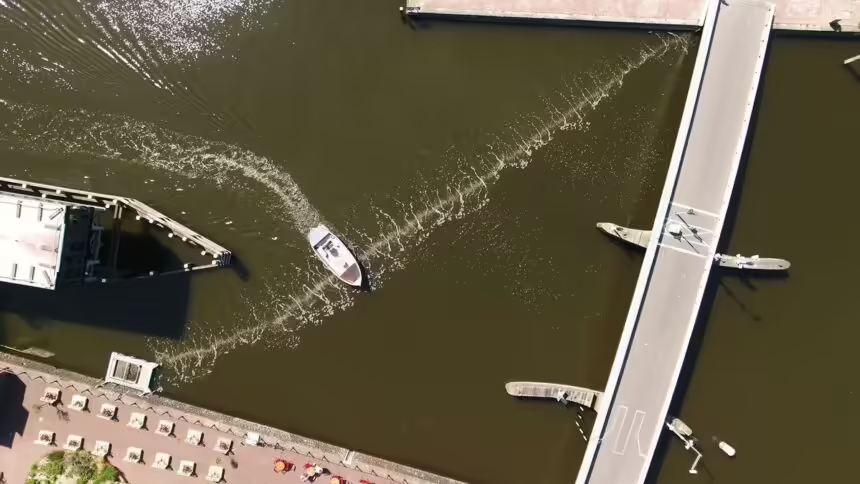
Lansing, Michigan, is preparing to install the first US Bubble Barrier in the Grand River to stop plastic waste from reaching Lake Michigan. The project adapts Dutch environmental technology developed in Amsterdam, where underwater air curtains have caught tons of municipal debris since 2019, protecting critical freshwater ecosystems and downstream wildlife habitats from urban pollution.
How does the Bubble Barrier work?
The Bubble Barrier pumps air through a perforated tube placed at the bottom of a river, creating an underwater curtain of rising bubbles. These bubbles push submerged and floating plastic debris directly to the surface, where natural river currents steer the waste into a catchment basin for routine collection and removal without blocking boat traffic or harming aquatic wildlife.
In Amsterdam, the original installation collects roughly 175 pounds of inorganic dry waste monthly. Tested pilot projects show the bubble technology captures 86 percent of floating plastic debris. Because it leaves waterways open, it operates continuously without creating physical barriers that disrupt fish migration or commercial vessels.
Why is Lansing bringing the system to Michigan?
Lansing officials selected the system to safeguard the Grand River, the longest river in Michigan, which flows directly into Lake Michigan. Because the Great Lakes receive an estimated 22 million pounds of plastic trash annually, local authorities plan to own and operate the catchment system as an extension of standard municipal cleanup efforts.
Researchers at Michigan State University and state environmental agencies are examining river currents, ecological factors, and community feedback before deployment. Early biological studies show the underwater air barrier will not impede migrating juvenile fish or river plankton, clearing key regulatory checkpoints for local implementation.