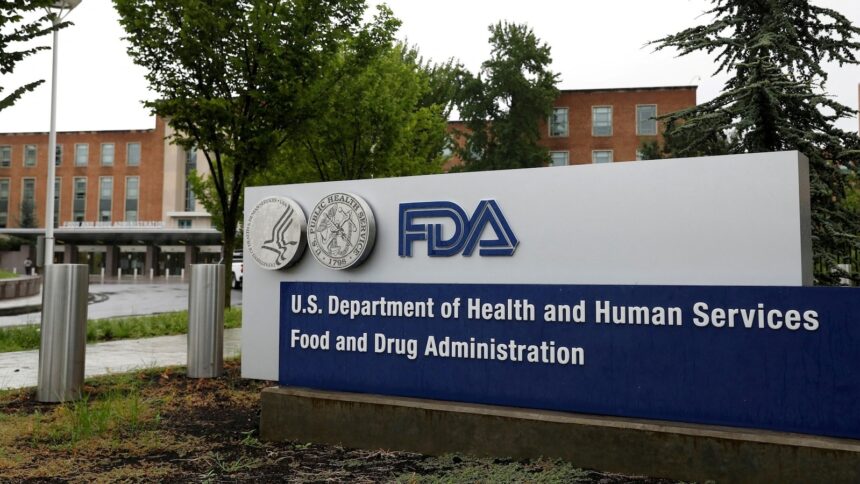
On Nov. 9, the FDA announced that drugmakers must warn of non-arteritic anterior ischemic optic neuropathy, or NAION, on GLP-1 labels. The drugs include Ozempic, Wegovy, Mounjaro and Zepbound. The condition, often called an eye stroke, stems from decreased blood flow to the optic nerve and causes sudden, painless vision loss that can be permanent. Although researchers have found a connection, the studies do not show that GLP-1 drugs cause NAION.
An FDA analysis found 6.4 NAION cases per 100,000 person-years among patients using GLP-1 drugs, compared with 3.8 among those taking placebos or other glucose-lowering drugs. Person-years account for both the number of people studied and the time they were followed. A separate FDA study found a higher NAION rate with GLP-1 drugs than with diabetes drugs called DPP-4 inhibitors. The rate was similar for GLP-1 drugs and SGLT-2 inhibitors, another class of diabetes medicine.
Symptoms and Patient Decisions
The primary sign of NAION is rapid, painless loss of sight, typically in one eye. If vision suddenly deteriorates or worsens quickly, patients should seek immediate care from an eye specialist or visit an emergency room. Neuro-ophthalmologist Yin Allison Liu advises contacting the prescribing clinician promptly to discuss whether to stop the medication.
Liu emphasized that overall absolute risk remains small, noting about 6,000 new U.S. cases occur annually across the general population. "Patients should not stop their medication simply out of fear. They should discuss their individual risks and benefits with their prescribing clinician," Liu said.