
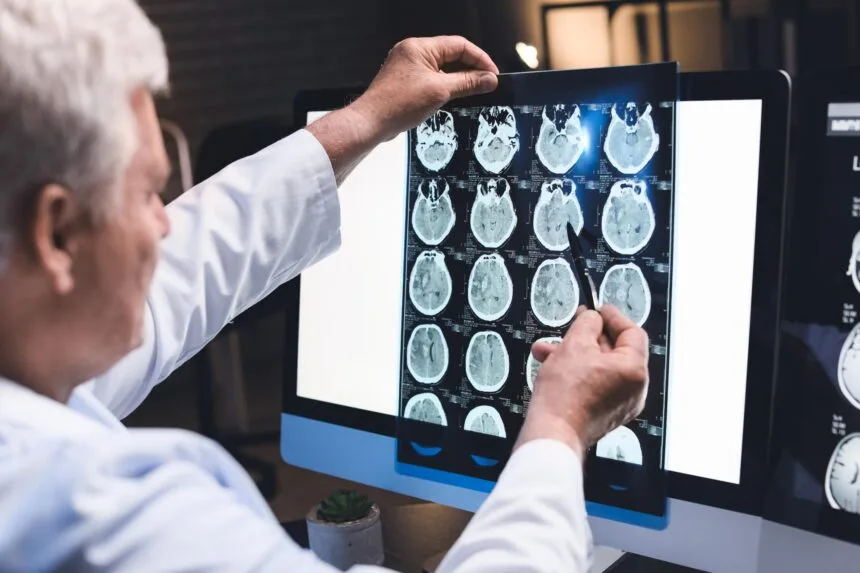
A study published in JAMA Network Open linked ultra-processed foods brain damage risk to everyday diets, revealing silent signs of stroke and cognitive decline in healthy adults. Researchers evaluating MRI scans of approximately 9,000 Canadian participants aged 35 to 69 without prior heart disease found undetected vascular damage developing years before noticeable thinking or memory problems emerged.
What did the brain scans reveal about diet?
MRI evaluations revealed that participants with the highest intake of ultra-processed items were 40 percent more likely to exhibit undetected brain damage linked to future memory loss and stroke. The connection proved even stronger among women, where those in the highest consumption group faced nearly twice the likelihood of displaying hidden brain changes compared to participants who consumed the lowest amounts.
Scientists from McMaster University and the Population Health Research Institute observed that individuals consuming more processed foods had higher body and visceral fat. In the study, whole foods like fruits and vegetables made up only 41 percent of daily intake for top processed food consumers, compared to 68 percent for the lowest consumers.
Public Health Impact and Next Steps
Federal health data from the CDC indicates that ultra-processed foods accounted for an average of 55 percent of total daily calories for Americans aged one year and older between 2021 and 2023. While the study highlights a serious correlation between ultra-processed foods brain damage risks and early vascular issues, researchers emphasized that longitudinal trials with repeated scans are necessary to determine direct causation.
Study leaders noted that convenient, heavily refined diets often lack fiber and key micronutrients while adding excess sugars and sodium. Further research is underway to investigate whether reducing processed intake can prevent structural changes before symptoms appear.