
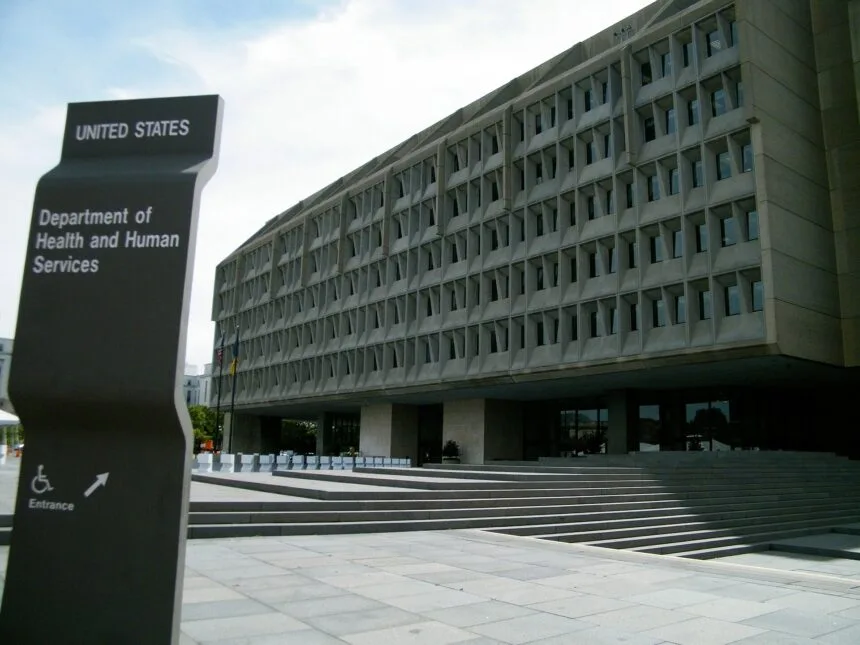
Federal health officials announced $10 billion in second-year funding awards to all 50 states on Nov. 9, 2026, under the Rural Health Transformation Program.
The initiative aims to bolster medical care for roughly 60 million rural Americans who rely on local clinics and hospitals for chronic conditions and emergency services. The overall program provides $50 billion over five fiscal years, running from 2026 through 2030 and delivering $10 billion annually. This latest round lifts cumulative funding to $20 billion, with $30 billion scheduled for distribution over the remaining three years.
How Funds Divide Among States
Under the program's rules, half of the funding is divided equally among all 50 states. The remaining 50% is allocated based on specific rural medical needs and projected local health impact.
Individual grant sizes vary widely across state lines. Texas secured the largest allocation in this round at nearly $282 million, followed by Alaska at approximately $273 million. New Jersey received the smallest award at about $142 million. In earlier grant notices under the initiative, California secured $233.6 million and Florida received $193.7 million.
Local Priorities and Operational Goals
Department of Health and Human Services Secretary Robert F. Kennedy Jr. stated that states will have autonomy to direct these dollars to their own priorities, including clinical staffing, medical facility upgrades, chronic condition treatment, and expanding general care access. "President Trump made a historic investment in rural America, and HHS is putting those resources to work in every state," Kennedy said.
Centers for Medicare & Medicaid Services Administrator Dr. Mehmet Oz pointed to long-standing disparities, noting that rural Americans live on average three years less than urban residents, and positioned the investments as targeted to help close that life expectancy divide. The administration established the initiative through federal budget reconciliation legislation enacted in July 2025.
Disbursement mechanisms and specific schedules for sending these funds from state capitals to individual local hospital accounts have not yet been released. Healthcare providers seeking information on state-level allocations can consult their state health department or the Centers for Medicare & Medicaid Services.