
The Consumer Price Index increased by a seasonally adjusted 0.4% in October 2026, the Bureau of Labor Statistics reported on November 10, topping economist forecasts of a 0.3% advance.
For households, the monthly increase translated to steeper bills across transit, food and housing. Core prices, which omit volatile food and energy costs, climbed 0.3% against expectations of 0.2%. The bureau omitted an overall 12-month inflation reading because the federal government shutdown in October 2025 disrupted baseline data collection.
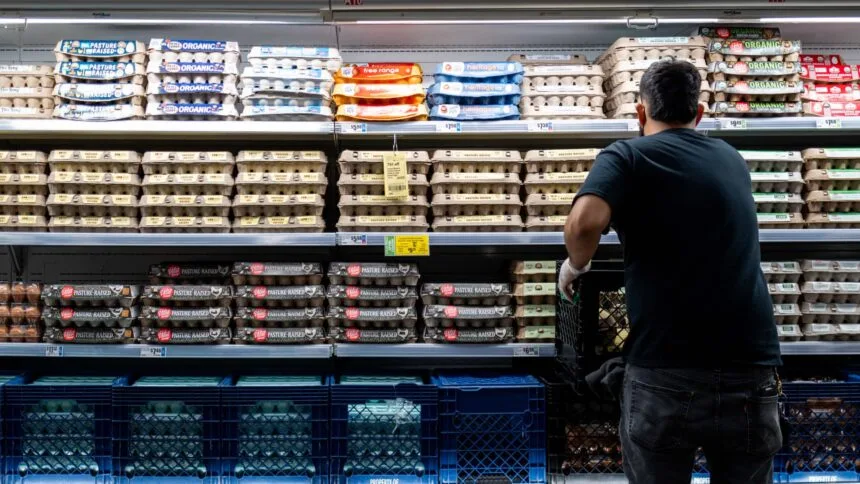
Energy costs advanced 0.7% over the month, lifted by a 1% jump in gasoline prices, while food prices climbed 0.5%. Transportation services rose 0.8%, shelter costs increased 0.3%, and airline fares gained 0.4%. Medical care commodities added 0.5%, new vehicle prices inched up 0.2%, and apparel ticked up 0.1%. Used cars and trucks provided some relief, falling 1.2%.
Pressure on Borrowing Costs
The price increases arrive after Federal Reserve officials voted to hold the benchmark interest rate between 3.75% and 4% in late October, following a quarter-point rate increase in September.
"The key question is whether today's inflation figures support the recovery or remind investors that resilient economic growth and persistent price pressures could keep borrowing costs elevated for longer," said Daniela Hathorn, senior market analyst at Capital.com.
Federal Reserve policymakers are scheduled to review borrowing benchmarks at their upcoming December meeting.