
The United States Senate voted 73 to 25 on Monday evening to open floor debate on the Bipartisan American Affordability and Jobs Act, advancing a 417-page compromise designed to speed up approvals for energy infrastructure and interstate electricity transmission.
For everyday consumers and local communities, the measure targets utility bills by setting clear rules for artificial intelligence and commercial tech expansion. The draft legislation requires builders of artificial intelligence projects and data centers to fund their own electricity supply and grid upgrades rather than passing those costs to nearby ratepayers. It also establishes a data center community assistance program under the Department of Energy to supply technical guidance to local, state, and tribal governments assessing prospective facilities.
President Donald Trump endorsed the legislative package, urging all senators to pass the measure to fast-track pipelines, mines, and electricity generation. The measure, designated as S. 5653, was authored by Republican Senators Mike Lee and Shelley Moore Capito alongside Democratic Senators Martin Heinrich and Sheldon Whitehouse. Supporting the bipartisan push, Senator Heinrich stated, "Just one week ago Americans sent a clear message: They want Congress focused on making their lives more affordable. That's precisely what this permitting reform bill will do."
Grid Bottlenecks and Environmental Rules
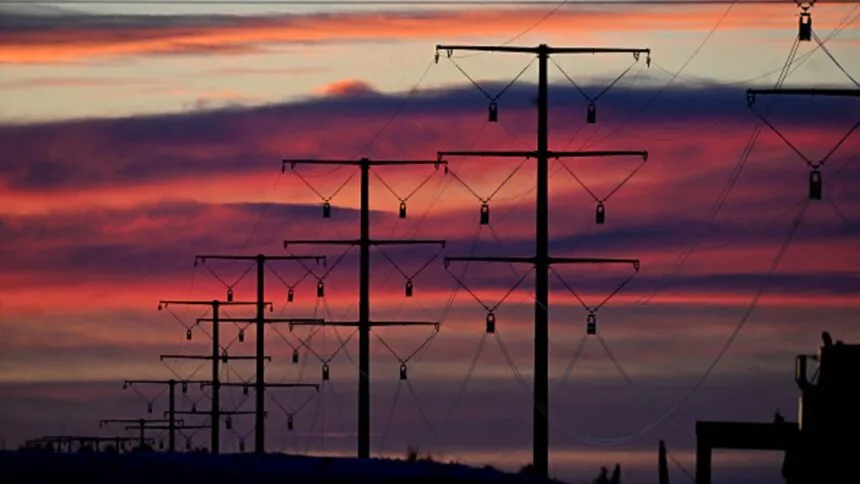
The compromise simplifies federal regulations governing interstate electric transmission lines and seeks to ease grid interconnection bottlenecks that have stalled capacity across the country. At the close of 2025, approximately 2,060 gigawatts of proposed power generation and storage capacity sat stalled in grid interconnection queues waiting for approvals.
To compress project timelines, the bill proposes revisions to several bedrock environmental statutes, including the National Environmental Policy Act, the Clean Water Act, the National Historic Preservation Act, and the Endangered Species Act.
Civil rights and conservation organizations, including the ACLU, Earthjustice, and the Sierra Club, expressed strong opposition, warning that narrowing these reviews weakens environmental protections and could hasten construction of natural gas pipelines and immigration detention centers. Tribal leaders and advocacy groups, including the National Congress of American Indians, also called on lawmakers to defeat the bill, saying it curtails requirements for federal government consultation with sovereign tribes.
Next Steps Before January
Senator Catherine Cortez-Masto announced she will introduce an amendment to delete proposed modifications to the National Historic Preservation Act and vowed to oppose final passage if those sections remain. In the other chamber, House Minority Leader Hakeem Jeffries cautioned that the draft fails to adequately safeguard tribal sovereignty, indicating reluctance to advance the Senate legislation without broader caucus engagement.
To reach the president's desk before Congress adjourns in January, the legislation must navigate Senate floor amendments, win final chamber approval, and clear the House of Representatives.