


The Reality Behind the “American Dream”
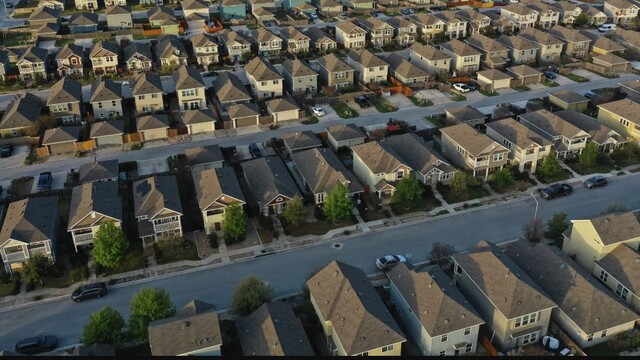
The perception that “everyone in America has a large house” has circulated globally for years. Seeing homes with garages and gardens in movies leads many to believe that Americans acquire these properties with ease. However, the reality is somewhat different. The vast majority of people in the US do not purchase homes with cash; they rely on long-term mortgage loans. This system enables millions of families to become homeowners.
How the US Mortgage System Works
Anyone wanting to buy a home in the US first applies to a bank or mortgage company. The lender evaluates their income, debts, and most importantly, their credit history. A credit score is one of the primary indicators in the US financial system. Individuals with a high credit score can secure a loan with a lower interest rate, while those with a poor history may face higher interest rates or be unable to obtain a loan at all.
The 30-Year Fixed-Rate Mortgage
The most popular type of mortgage loan is the 30-year fixed-rate mortgage. In this model, the monthly payment appears relatively affordable because it is spread over a long period. For example, someone buying a $400,000 home pays a certain amount as a down payment and repays the remainder to the bank over 30 years. However, due to the interest added to the loan, the total amount paid at the end is significantly higher than the initial price of the house.
Down Payments and Additional Costs
A 20 percent down payment is not always required to buy a home in the US. In many programs, this figure starts at 3–5 percent. However, if the down payment is low, additional mortgage insurance may be required, which increases monthly expenses.
Owning a home in America means more than just paying off a loan. Monthly payments typically include principal and interest, but they also incorporate property taxes, homeowner’s insurance, and, in some residential complexes, homeowners association (HOA) fees. For this reason, the monthly expenses for two homes of the same price can differ significantly depending on the state.
Regional Price Variations
Home prices are not uniform across the country. In states like California, Hawaii, Massachusetts, and New York, median home prices are hundreds of thousands of dollars higher. Conversely, in Texas, Ohio, Indiana, and some Midwestern states, it is possible to buy a larger and newer home for the same amount. Consequently, the number of Americans moving from expensive states to more affordable regions has increased in recent years.
Current Market Realities
The situation in the US real estate market has changed in recent years. As a result of rising interest rates, taking out a new mortgage has become more expensive than in previous years. This has caused many families to postpone their home-buying plans. Furthermore, the persistence of high home prices has exacerbated the issue of affordability in the market.
Nevertheless, the mortgage system remains the primary way for millions of people to become homeowners in the US. By making monthly payments over many years, people avoid renting and eventually gain ownership of their own real estate.
Conclusion
Ultimately, owning a home in the US is not as easy as it may seem. The key conditions for success are a stable income, proper financial planning, and a good credit history. These three factors are what turn the American dream of homeownership into a reality. For this reason, the US mortgage system is considered not just a credit mechanism, but one of the essential institutions that shape the country’s economic and social life.