


Why is Germany pushing for EU budget cuts?
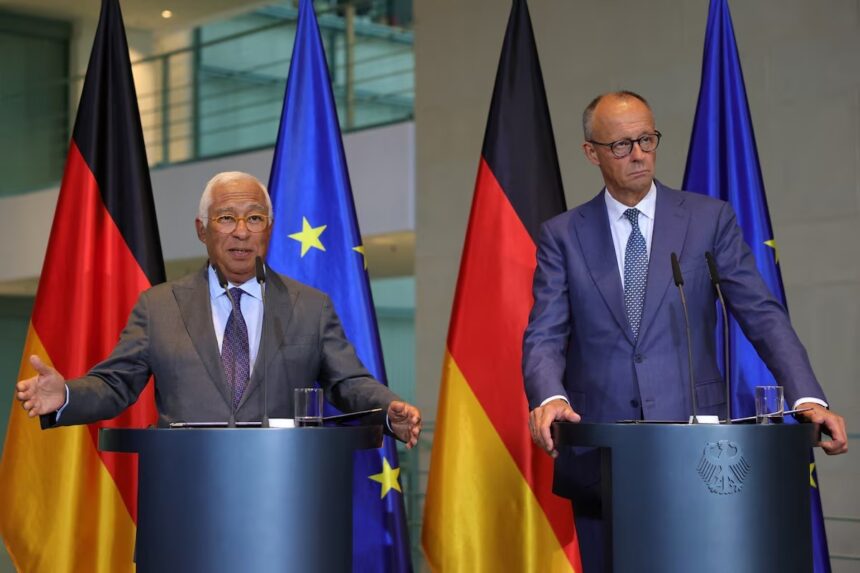
German Chancellor Friedrich Merz has called for hundreds of billions of euros in EU budget cuts to the European Commission's proposed 2028-2034 framework. Meeting with European Council President Antonio Costa in Berlin, Merz argued that the nearly 2 trillion euro plan is unaffordable. He warned that excessive debt threatens European sovereignty and urged a shift in spending toward competitiveness and defense.
Germany, supported by Denmark, the Netherlands, Austria, Finland, and Sweden, is advocating for a balanced reduction in spending. Officials noted that the current proposal represents a 60% increase over the previous seven-year period, which they deem unsustainable. Merz explicitly rejected further joint EU borrowing to bridge funding gaps, insisting that national budgets must be protected.
Can the EU reach a budget agreement?
The Multiannual Financial Framework requires unanimous approval from all 27 member states, with both Merz and Costa aiming for a deal by the end of 2026. While Costa acknowledged the pressure on national budgets, he suggested that creating new own resources might be necessary to meet financial requirements without placing additional burdens on member states.