
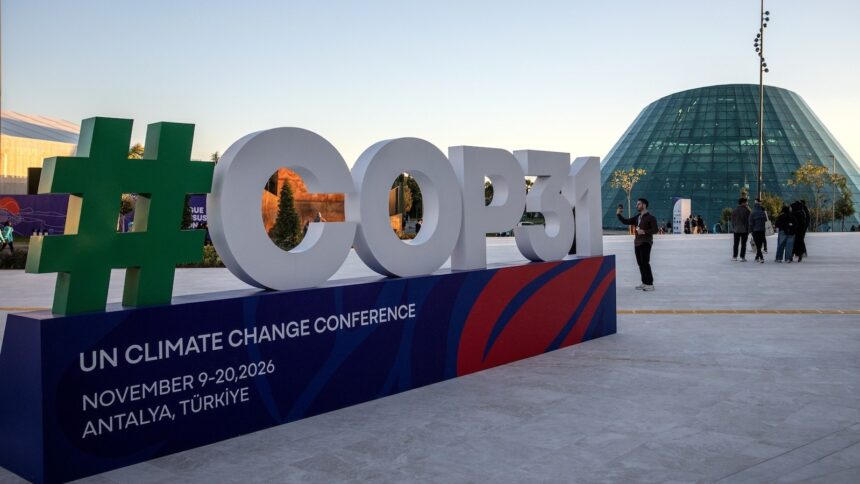
ANTALYA, Turkey — Nearly 200 nations concluded the COP31 climate summit on Sunday without adopting an overarching cover decision, following more than two weeks of talks and two days of overtime.
The gathering in Antalya made progress on smaller items, but almost every participating country must agree for a pact to pass. Turkey's conference president, Murat Kurum, stated at the closing plenary that no agreement existed and ruled out presenting any further text. After Kurum departed the stage during national speeches, Elchin Allahverdiyev of Azerbaijan announced the failure of the talks.
Unresolved Terms on Fuel and Finance
The final compromise text prepared by the joint Turkish-Australian leadership did not name any of the three main fossil fuels or propose ending fossil-fuel use. Summit observers said producers including Saudi Arabia pressed to leave fossil fuels out.
Russia was also reported to have sought their exclusion. The text recalled the earlier Dubai agreement in full, but the draft drew objections from the EU and vulnerable countries. Panama also said it could not support the text.
Finance terms also prompted objections from developing nations. The failed draft proposed tripling funding to help vulnerable countries adapt to warming, but it did not say what starting level the increase would use. In addition, the draft text recognized projected temperature overshoot, urged faster progress on carbon-removal technologies, and set goals for carbon capture for industrial facilities.
"Unfortunately, we were unable to reach agreement on a cover decision. And that’s disappointing, very disappointing," said Australia's COP31 president of negotiations, Chris Bowen, pointing to fuels and climate finance as the central obstacles.
Next Steps in Ethiopia
Outside the overarching cover decision, nearly 100 countries endorsed an independent electrification pledge seeking to raise electricity's share of final global energy consumption to 35% by 2035, with the pledge putting the current share at about 21%. The failed plenary draft had also included a 35% electrification goal, putting the current baseline at around 23%.
The collapse of the political cover text leaves earlier multilateral accords and formal legal frameworks intact. Negotiators deferred details on moving away from fossil fuels, funding adaptation in poorer countries, and action on gender and climate to next year's negotiations in Ethiopia.