

How does technology bridge the digital gap in rural schools?
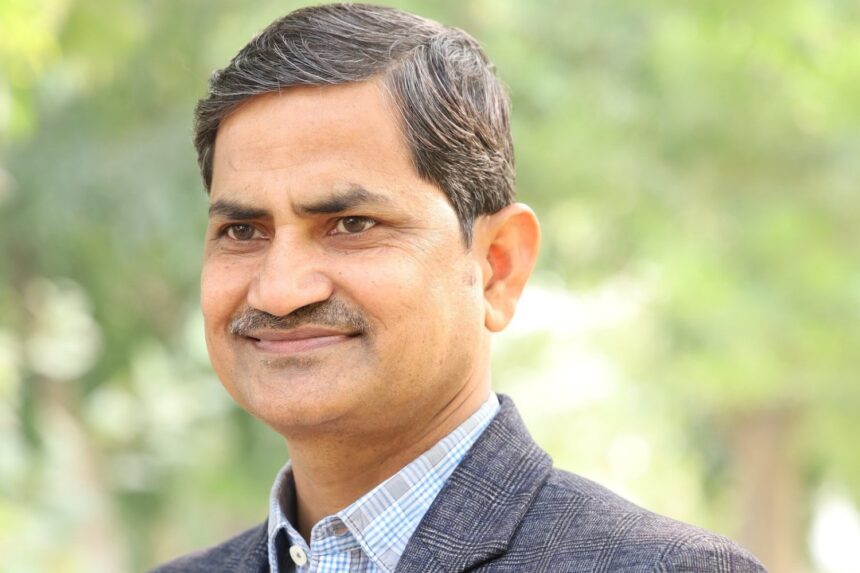
Mohammad Imran Khan Mewati, a teacher in rural Rajasthan, India, uses MIT Open Learning resources to bridge the digital gap for students who lack desktop computers. By leveraging free courses from MIT OpenCourseWare, Mewati taught himself app development to create math games and exam tools. He shares these resources via WhatsApp, ensuring students can continue learning even when they cannot attend class in person.
Mewati, who teaches grades 6-12, began integrating technology into his classroom over a decade ago to combat high absenteeism. He discovered that digital tools significantly improved student engagement and test results. His efforts have expanded to include building a computer lab through crowdfunding and establishing a network of over 1,000 teachers across India to share open-source educational materials.
Why is open-source learning considered an equalizer?
For students in underserved regions, open-source platforms provide access to high-quality academic content that would otherwise be unavailable. Mewati emphasizes that technology acts as an equalizer by allowing individuals from any background to pursue lifelong learning. By applying programming skills gained from MIT courses to solve local challenges, he demonstrates how accessible digital tools can foster community development and academic success.