


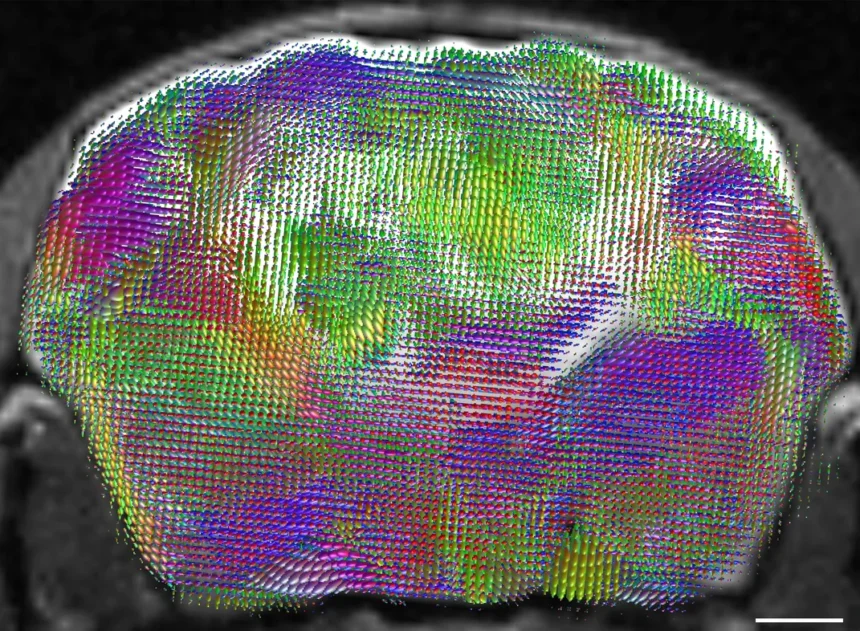
Stanford University researchers have developed "xenocortical" mice with half-human brains to better understand complex neurological conditions. By genetically engineering rodents to lack a natural cortex, scientists created space to integrate human-derived organoids—lab-grown brain tissue replicas. This breakthrough allows experts to study human-specific brain development and function, potentially leading to new treatments for disorders like schizophrenia, dementia, and cerebral palsy.
How were these mice with half-human brains created?
Researchers genetically modified mice to lack a cortex, the brain's outer layer responsible for movement and decision-making. They then injected human-derived organoids into the empty spaces. Within three months, the human tissue integrated into the animals' neural wiring, occupying over 90 percent of the cortex. The tissue even developed specialized von Economo neurons, which are typically difficult to grow in laboratory settings.
Why is this research important for medicine?
This study provides a unique model to investigate human-specific brain conditions that are difficult to replicate in animals. By observing how human cells function within the mice, scientists aim to gain insights into disorders like schizophrenia, dementia, and cerebral palsy. The team implemented rigorous ethical oversight, including reviews by independent bioethicist panels, to address concerns as they work toward developing new medical therapeutics.