
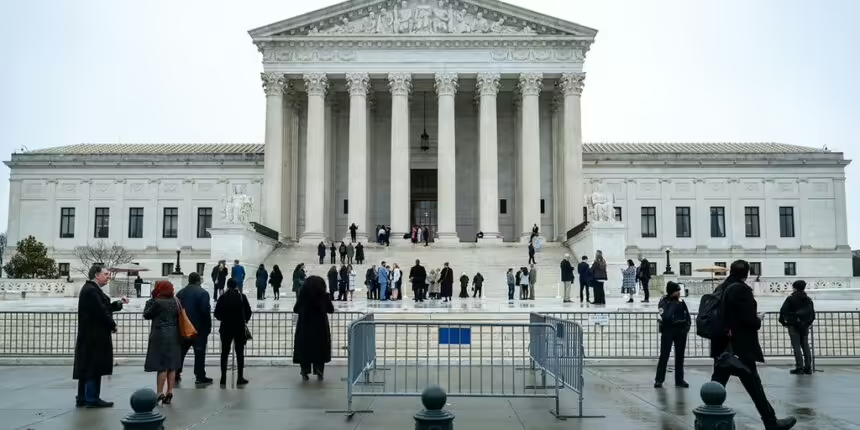
The U.S. Supreme Court on Thursday cleared state officials to enforce the New Hampshire voter ID law, barring student cards from acceptable ballot identification for the upcoming midterm elections. The decision affects voters across New Hampshire by upholding state election safeguards, ensuring poll workers apply established statutory guidelines without disruptive court interventions shortly before citizens cast ballots.
Why Did the Supreme Court Intervene in New Hampshire?
The Supreme Court intervened by applying the Purcell principle, which restricts federal courts from altering state voting procedures shortly before an election. Justices noted that late judicial orders risk confusing voters and election workers. The majority determined that a lower court improperly disrupted state guidance and training efforts, emphasizing that the district judge had not justified deviating from established legal standards.
Justice Ketanji Brown Jackson dissented, arguing the lower court ruling prevented confusion. Nevertheless, the high court held that election rules must remain stable as voting approaches.
How New Hampshire Restricts Student Voter Identification
New Hampshire voter ID law guidelines took effect in June after Governor Kelly Ayotte signed House Bill 323, removing student cards as valid ballot identification. State officials subsequently trained local election workers on the updated criteria. The Supreme Court order protects those administrative preparations for the midterms, though legal challenges regarding the statute's underlying merits continue in federal court.
Attorney General John Formella praised the outcome as an important victory that defends state election laws and prevents last-minute uncertainty for voters and local administrators.