


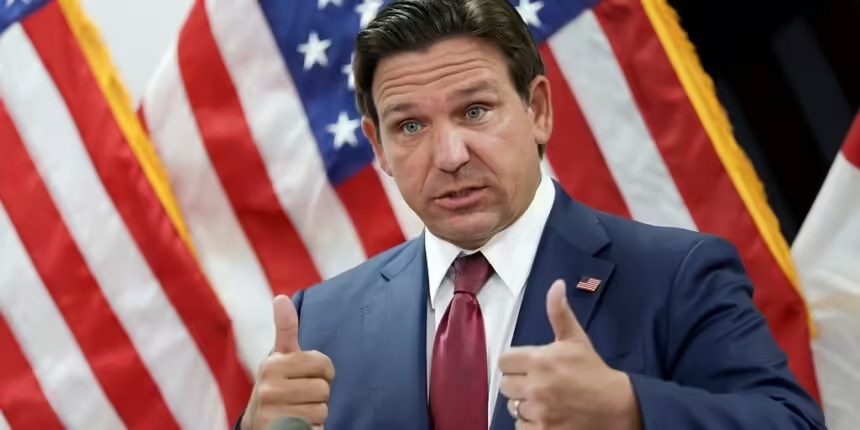
Florida Medicaid fraud crackdown has cut projected annual spending on behavioral therapy by nearly $980 million, Governor Ron DeSantis announced on October 8, 2026. State officials said more than 220 Medicaid providers were terminated after investigators found billing for more than 24 hours in a single day. The reduction affects Applied Behavior Analysis therapy, often used for children with autism.
How Much Has the Florida Medicaid Fraud Crackdown Saved?
Annual Medicaid spending on Applied Behavior Analysis, a therapy commonly used for children with autism, had been projected at $3.86 billion but is now expected to total $2.88 billion in fiscal year 2026-27. State officials attributed the nearly $980 million reduction to fraud enforcement, managed care and utilization management efforts.
More than 260 providers faced payment restrictions or suspensions, and the state referred more than 150 suspected fraud cases to the attorney general's office over the past year. Officials said the strategy aims to stop suspicious claims before payment rather than recover money afterward.
What Did Investigators Find in Provider Billing?
The Agency for Health Care Administration said expanded monitoring uncovered providers billing Medicaid for services through every weekend and holiday for months, including instances where providers billed for more than 24 hours of services in a single day. Since January 2026, the agency has conducted 400 site visits and issued more than 1,000 adverse decisions on provider enrollment.
AHCA Secretary Shevaun Harris said the effort protects children, pregnant women, disabled people and seniors while keeping taxpayer dollars from fraud or abuse. The agency also screens for stolen identities through a pilot with SentiLink and has imposed enrollment moratoriums on certain high-risk provider categories.