
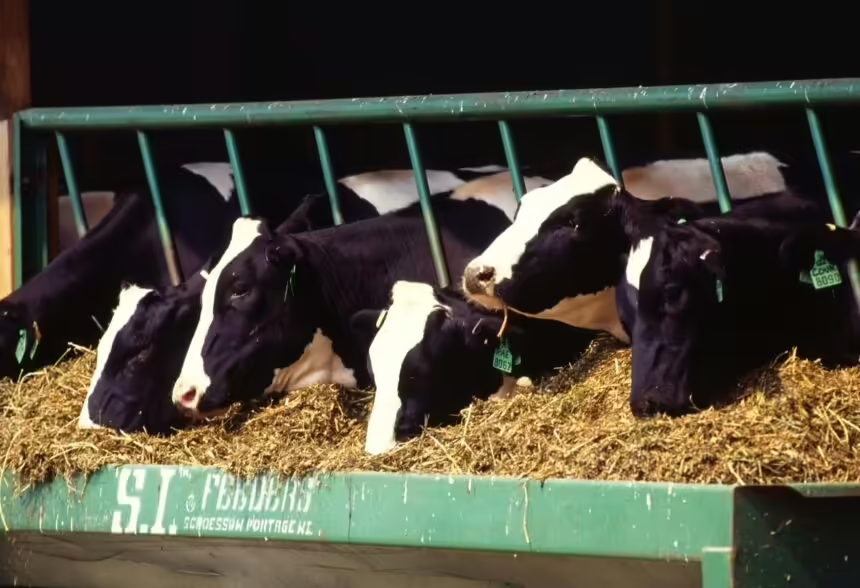
A Yakima County resident with pre-existing medical conditions died on November 1, 2026, from avian influenza complications following exposure to infected dairy cattle, the Yakima Health District announced.
The death is the first avian influenza fatality in the United States in 2026 and the third recorded nationwide since H5 viruses emerged as a domestic public health concern in 2024. The Centers for Disease Control and Prevention confirmed the patient contracted the H5N1 subtype. The deceased patient had been hospitalized with severe illness prior to death, and county officials declined to release the person's name, gender, or age to safeguard family privacy.
Genomic Testing and Public Risk
Genomic analysis conducted by federal health scientists on the patient's viral sample revealed no mutations that would increase transmissibility among humans or heighten disease severity. Both federal and local health agencies maintain that no person-to-person transmission of bird flu has been documented in the United States, and the general public health risk remains low.
Two earlier deaths have been recorded nationwide. An elderly person in Louisiana died in January 2025 after exposure to wild and backyard birds carrying H5N1, and a Washington resident died on November 21, 2025, from the rarer H5N5 strain.
Dairy Herd Spread and Protective Measures
The Washington State Department of Agriculture has identified bird flu across 34 dairy herds in the state, comprising 33 in Yakima County and one in Benton County. The county confirmed its initial cattle-linked human infection on October 15, 2026, and authorities confirmed a third human case involving cattle exposure where the individual did not experience severe illness or require hospitalization.
Local health authorities are actively tracing and contacting people who had close contact with infected individuals to monitor them for symptoms. State agricultural officials are distributing personal protective equipment—including face masks, disposable gloves, and eye protection—to dairy processors, milk processing plants, poultry operations, and slaughterhouses.
Health agencies advise that pasteurized commercial milk products remain safe because thermal pasteurization inactivates the virus, whereas unpasteurized raw milk products may carry active pathogens and should be avoided.