
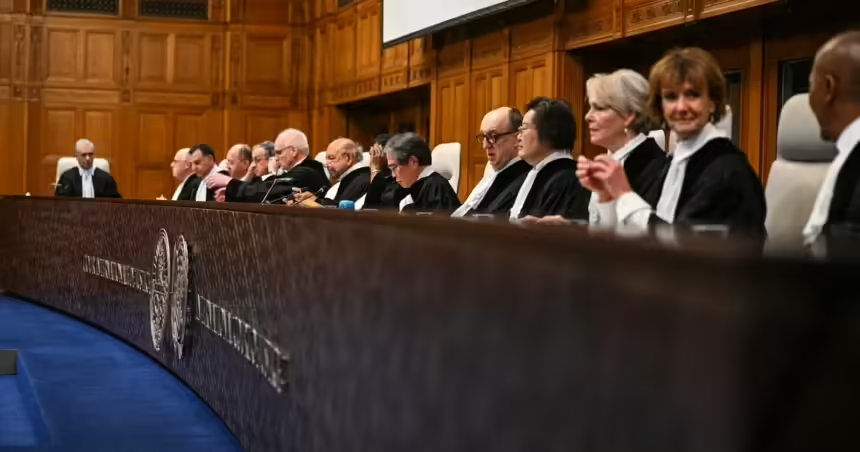
On Nov. 19, 2026, the International Court of Justice ruled 9-6 that Myanmar committed genocide against Rohingya in northern Rakhine state, breaching the 1948 Genocide Convention.
Antony Blinken, the U.S. secretary of state at the time, declared Myanmar’s treatment of the Rohingya genocide in March 2022, seeking international pressure and laying groundwork for possible legal action.
The court cited evidence that Myanmar's forces killed roughly 10,000 Rohingya. Reading the decision, court president Yuji Iwasawa said the forces carried out widespread sexual violence, committed extreme violence against children and attacked Rohingya attempting to escape.
The 15-judge panel rejected Myanmar's argument that its August 2017 military campaign was a lawful counterinsurgency mission. Under the treaty, genocide requires proof of an intent to destroy all or part of a protected group. The ruling is the court's first finding of genocide by a state.
Gambia initiated the proceedings in 2019, asking the court to order an end to illegal activities targeting Rohingya, ensure those responsible are punished and order reparations, including Myanmar granting Rohingya full citizenship and allowing them to return to their homes. It is not yet known whether the court granted those requests.
The court can report a failure to comply to the U.N. Security Council, but cannot otherwise enforce its final, binding judgments. About 1.2 million Rohingya refugees remain in Bangladesh, primarily in Cox's Bazar camps marked by strict work restrictions, infectious disease, and monsoon hazards.