


Bahrain's Interior Ministry said an Iranian attack hit a civilian industrial facility on Saturday, Nov. 21, setting it alight and leaving two people injured. Separately, an unnamed U.S. official said Iranian attacks on Bahrain did not affect American forces or military equipment in the region.
The ministry said both were being treated in hospital: a Bahraini citizen with disabilities was stable, and a Pakistani resident was in critical condition. Saudi Arabia's Foreign Ministry condemned the strike on the industrial facility and affirmed full solidarity with Bahrain. Bahrain, which hosts the U.S. Navy's Fifth Fleet, said its air defenses intercepted Iranian aerial attacks on Nov. 15.
Iran's Islamic Revolutionary Guard Corps reportedly launched missiles and drones at U.S. military installations in Bahrain late Saturday. CENTCOM had not immediately answered a request for comment on the Bahrain report or a separate Iranian claim that an MQ-9 drone was destroyed. Separately, the Revolutionary Guard claimed it downed an American MQ-1 drone east of the Strait of Hormuz.
Interceptions and Diplomatic Positions
The Saudi-led coalition said Sunday that it had shot down a Houthi drone bound for the Riyadh area. Late Saturday, the coalition said its air defenses had also shot down a Houthi ballistic missile bound for western Saudi Arabia. The region includes an oil-export terminal at Yanbu and a refinery at Jazan. Saudi authorities say Houthi attacks have killed 26 people in the kingdom since September; 23 of those deaths occurred in airport strikes.
Across the border, a spokesman for the Houthi-run health ministry said six workers were wounded when an airstrike hit a state oil company's fuel station in Sanaa early Sunday.
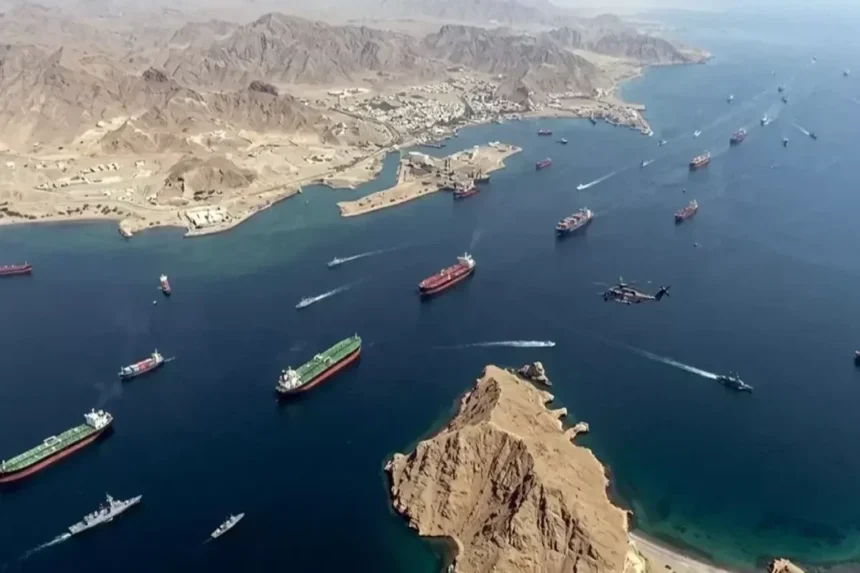
At sea, United Kingdom Maritime Trade Operations said two tankers were hit by unknown projectiles near Oman on Saturday. The war began on Feb. 28, when U.S. and Israeli aircraft struck targets in Iran. It has sharply disrupted energy shipments passing through the Strait of Hormuz. Brent crude fell 3.4% and U.S. crude dropped 5.2% during the week.
Iranian Foreign Minister Abbas Araghchi stated that the June Islamabad Memorandum of Understanding signed by President Donald Trump and Iranian President Masoud Pezeshkian was no longer operative, but noted that Iran remained open to a negotiated settlement. President Trump has maintained that any agreement must be permanent and prevent Iran from acquiring nuclear weapons, while adding that he is not particularly interested in regime change. Iranian Deputy Foreign Minister Kazem Gharibabadi stated that nuclear negotiations with Washington have not yet begun.