


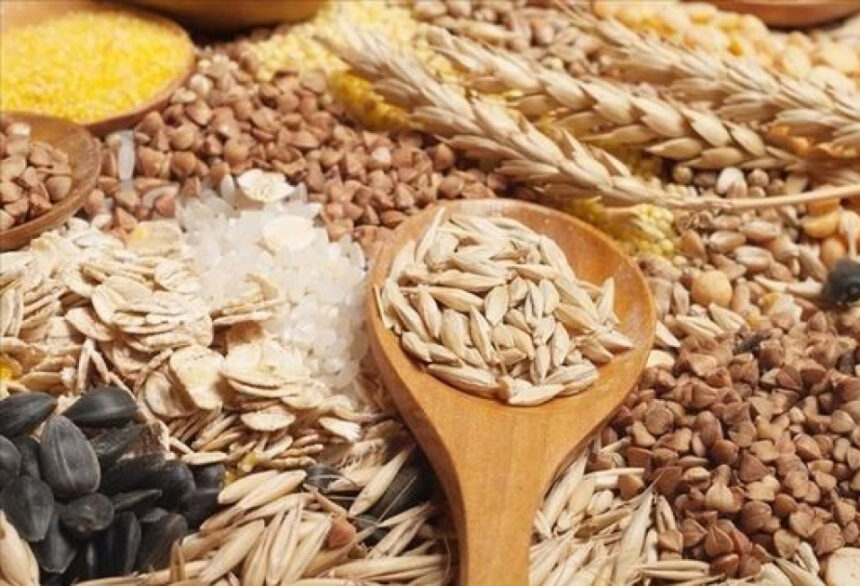
The FAO Food Price Index averaged 131.1 points in July 2026, a 0.6 percent increase from June. This rise in global food prices, driven by heatwaves and energy market dynamics, reflects higher costs for essential commodities like cereals and sugar.
What is driving the FAO Food Price Index increase?
The index rose due to higher cereal and sugar costs. The Cereal Price Index climbed 3.4 percent, with wheat prices surging 5.8 percent amid heatwaves and export concerns. Additionally, the Sugar Price Index increased by 5.6 percent, influenced by adverse weather conditions affecting yields in key producing regions.
Which commodities saw price declines?
Some sectors experienced relief. The Meat Price Index fell 2.8 percent, its first monthly decline this year due to lower poultry and pig meat quotations. The Dairy Price Index also dipped 0.7 percent as prices for milk powders and butter softened, providing a partial offset to inflationary pressures.