
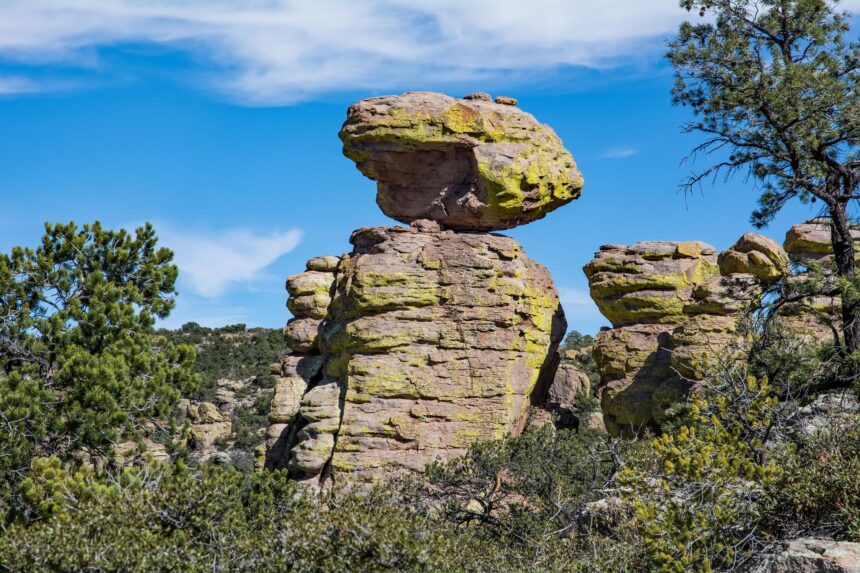
President Donald Trump officially signed legislation establishing America’s 64th national park in southeastern Arizona this week, transforming a historic 12,000-acre mountain monument into a premier federal destination. The official Chiricahua National Park designation elevates the scenic Chiricahua Mountains, unlocking expanded federal preservation, boosting regional tourism, and creating substantial new economic opportunities for local communities.
What does the Chiricahua National Park designation offer?
The Chiricahua National Park designation protects a breathtaking 12,000-acre expanse featuring dramatic volcanic rock spires that formed roughly 27 million years ago. Outdoor enthusiasts can explore 17 miles of scenic hiking trails, travel the panoramic eight-mile Bonita Canyon Drive up to Massai Point at 6,800 feet elevation, and experience an officially recognized dark sky preserve that provides world-class stargazing far away from major city lights.
The newly elevated park southeast of Tucson preserves vital wildlife habitats for native coati and javelinas while honoring the Chiricahua Apache tribe, who traditionally revere the dramatic landscape as the land of the standing-up rocks.
Federal Leadership and Economic Impact
Federal leaders confirmed the new status will boost regional tourism and provide lasting protection for generations of American families to enjoy. Secretary of the Interior Doug Burgum highlighted that the transition spotlights a treasured landscape, drawing nationwide attention and economic growth to surrounding towns, while building upon the roughly 70,000 annual visitors who explored the historic site during its prior monument status.
Originally protected as a national monument in 1924, the site represents the nation's first newly designated national park in six years. Officials emphasized that this decisive federal milestone delivers on conservation goals, preserving America's extraordinary natural heritage while strengthening southern Arizona's thriving outdoor travel economy.