

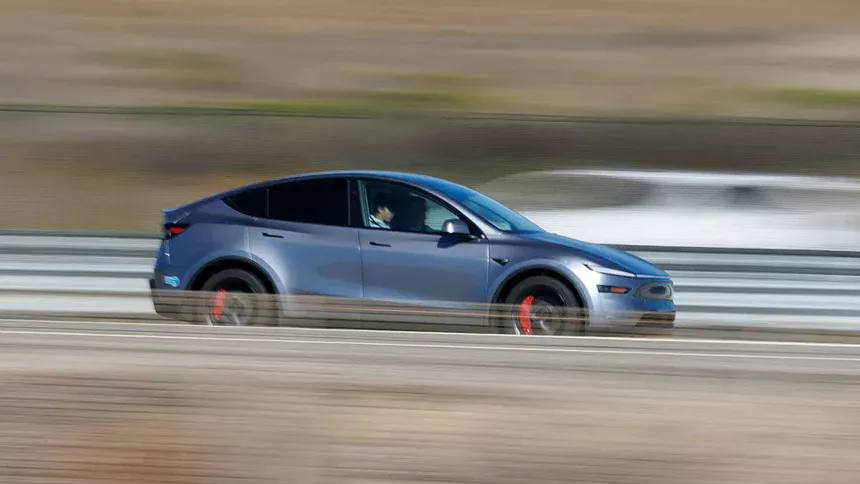
Tesla has reintroduced its controversial Tesla Mad Max mode in a new Full Self-Driving (Supervised) software update, enabling a more aggressive driving style amid ongoing regulatory scrutiny.
Return of Tesla Mad Max Mode
The automaker brought back the setting, first introduced for Autopilot in 2018, with its latest Tesla Full Self-Driving Supervised update. This Tesla aggressive driving mode is designed for higher speeds and more frequent lane changes compared to other available profiles.
Elon Musk previously described the mode as ideal for handling aggressive city traffic. Its name is borrowed from a popular post-apocalyptic film series.
New FSD v14.1.2 Features Explained
The update, designated FSD v14.1.2, follows the release of FSD v14 which introduced “Sloth Mode” for more cautious driving. Owners with the FSD (Supervised) package can access the setting through the car’s speed profiles.
This reintroduction is seen by some as a move to demonstrate continuous software development. It also appears designed to appeal to drivers who prefer more decisive vehicle movement in traffic.
Mixed Reactions and Early Reports
Reactions to the update have been mixed, with some fans praising the feature for feeling more natural. However, critics argue that it encourages risky behavior on public roads.
Within hours of the release, drivers began sharing reports of cars with the mode engaged rolling through stop signs and exceeding the speed limit. The reintroduction has reignited debate over the balance between technological innovation and public safety.
Tesla FSD Regulatory Scrutiny Continues
The feature returns as Tesla faces investigations from regulators, including the NHTSA and the California DMV. The company is also navigating multiple lawsuits from customers regarding its driver-assist systems.
Despite its name, Tesla’s system is classified as Level 2 autonomy, which requires the driver to remain fully attentive and ready to take control. Tesla has stated its ultimate goal is to achieve Level 4 autonomy.