


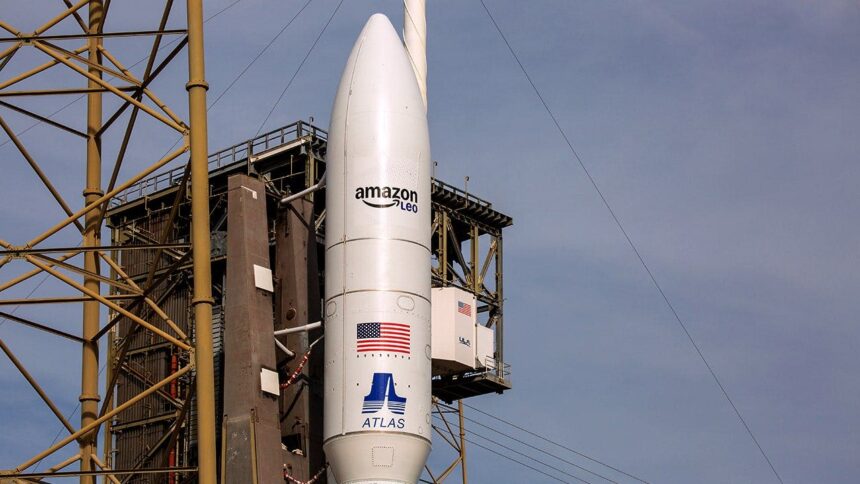
Amazon has reached a critical milestone in its space-based broadband ambitions, deploying 396 satellites for its Leo network as of July 2026. While Starlink currently maintains a significant lead in global coverage and customer base, Amazon is preparing for a limited service rollout later this year. The company aims to compete by offering specialized connectivity for airlines and direct-to-device services.
How does Amazon Leo compete with Starlink?
Amazon Leo, formerly known as Project Kuiper, is positioning itself as a major competitor to Starlink by targeting specific market segments. While Starlink dominates the current consumer market, Amazon plans to leverage its massive logistics network and cloud infrastructure to provide broadband to underserved areas. The company is also shifting its launch strategy to the Vulcan rocket to accelerate satellite deployment and increase its capacity for future service expansion.
What are Amazon's plans for airline and mobile connectivity?
Amazon is aggressively pursuing partnerships to integrate its satellite technology into commercial aviation and mobile networks. The company has secured deals with airlines like JetBlue and Delta to provide high-speed in-flight Wi-Fi starting in 2027. Additionally, through its planned acquisition of Globalstar, Amazon intends to offer direct-to-device satellite services, allowing mobile carriers to extend voice, text, and data coverage to areas that currently lack reliable cellular signals.