
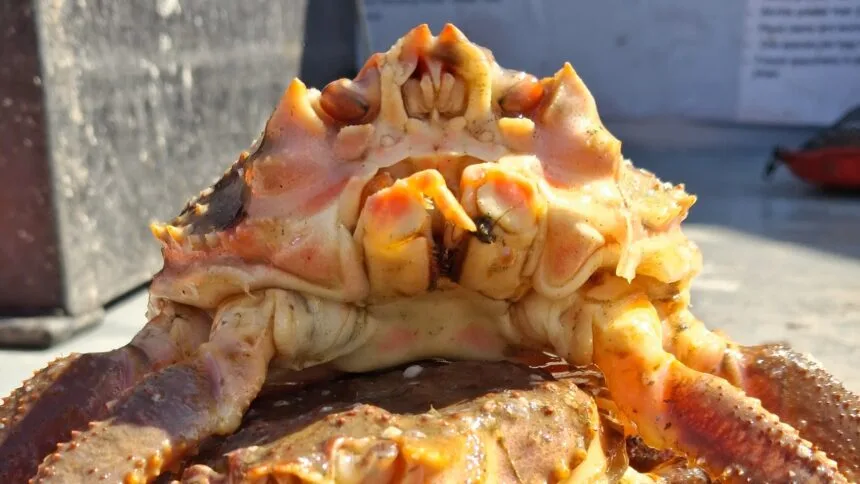
Federal scientists investigating Alaska's marine ecosystems found that a dramatic hybrid crab surge in the Bering Sea reached 13.4 times historical averages in 2025. The cross between snow and Tanner crabs expanded rapidly after severe marine heatwaves devastated native snow crab populations, reshaping commercial catches and creating fresh challenges for federal and state fisheries managers.
Why did the hybrid crab population spike?
Computer modeling shows that the unexpected hybrid crab surge resulted from sharply reduced competition and predation following the historic collapse of native snow crabs. When a major 2018 to 2019 marine heatwave eliminated sea ice and depleted snow crab numbers from eight billion to just one billion, surviving hybrid young faced far fewer predators and thrived in the warmer waters.
Annual trawl surveys conducted by the Alaska Fisheries Science Center revealed that hybrids historically made up less than 10 percent of commercial-sized male crabs. By 2025, however, hybrid crabs accounted for nearly half of the available harvestable catch.
Fishery management and ecological recovery
Federal researchers caution that the ecological effects remain uncertain because hybrid snow-Tanner crabs may not reproduce effectively or sustain independent populations over time. Managing the expanded numbers is equally complex for state authorities, as increasing catch quotas to harvest hybrids could inadvertently increase pressure on rebuilding snow crab stocks that are still recovering from unprecedented mortality events.
NOAA scientists emphasized that continuous annual monitoring in the Bering Sea will remain essential to guide sustainable management decisions while parent species recover.