


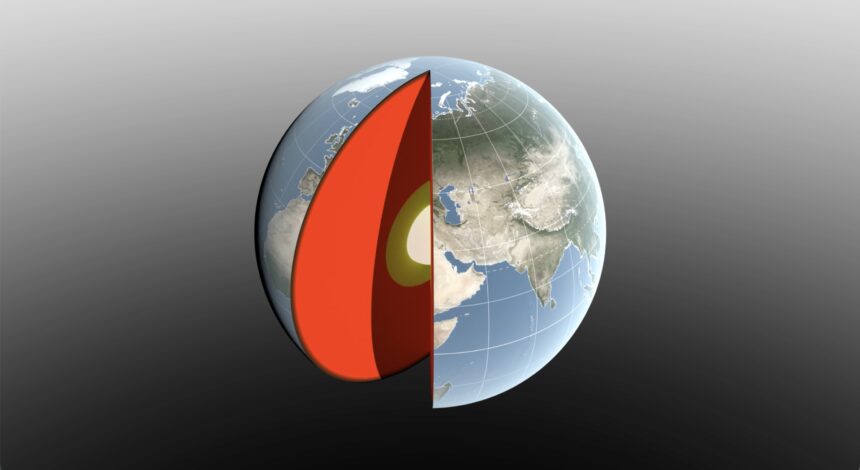
NASA researchers have developed a new technique to measure Earth's center of mass with unprecedented precision. By combining ultraprecise satellite tracking with GPS data, the team discovered that the planet's center of mass shifts seasonally due to the redistribution of water, ice, and air. These findings, published in the Geophysical Journal International, suggest that the annual movement of Earth's mass center is about half of what previous estimates indicated.
How does Earth's center of mass shift?
Earth's center of mass oscillates seasonally as surface loads like snow, rainfall, and atmospheric pressure change. Significant shifts occur due to snow accumulation in North America and Eurasia, heavy rainfall in the Amazon River basin, and monsoon water in Southeast Asia. Additionally, the swelling of oceans and changes in atmospheric density contribute to these movements, which researchers now estimate to be smaller than previously believed.
Why is tracking this movement important?
Understanding these shifts is vital for improving global reference systems used in modern technology. Because Earth's center of mass acts as a crucial reference point, more accurate calculations directly benefit satellite navigation, elevation measurements, and mapping. These improvements support a wide range of practical applications, from global shipping logistics to precision agriculture, by ensuring that positioning data remains reliable despite the planet's constant, subtle physical changes.