


What happened during the humpback whale stillbirth?
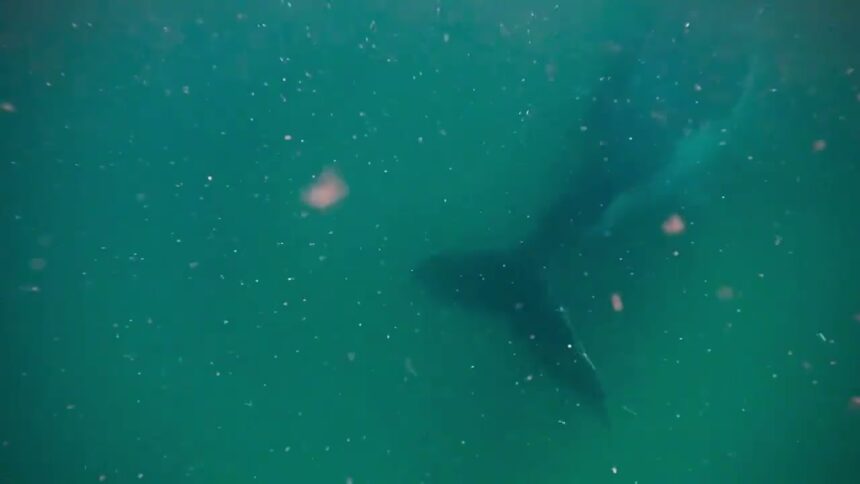
On July 17, 2025, researchers documented the first observed humpback whale stillbirth near the Palm Beach Reef off the Gold Coast of Australia. The mother was observed repeatedly touching her stillborn calf and resting near it on the seafloor. Unlike live births where mothers push calves to the surface to breathe, this calf remained submerged, providing scientists with a rare, detailed look at how these social animals respond to death.
The event was captured after rescue boat captains investigated reports of two whales lingering in shallow water. Underwater footage showed the mother interacting with the calf, which had sunk to the seafloor. Because newborn humpback calves lack the buoyancy to stay afloat without assistance, researchers believe such events are rarely documented because the bodies typically sink out of sight.
Is the whale experiencing grief?
Scientists caution against labeling the mother's behavior as grief, noting that it is difficult to confirm emotions in wild animals without physiological measurements. While the mother's actions resemble human mourning, researchers emphasize that animals may experience emotional states differently. The study highlights the need to avoid anthropomorphizing, or attributing human traits to animals, while acknowledging the strong social bonds within the species.
The findings, published in the journal Discover Animals, provide a unique window into the complex social behavior of humpback whales. Experts suggest that while the mother's actions were powerful to witness, they may also align with the species' known tendencies to protect and assist distressed peers. This observation remains a significant contribution to marine biology, as scientists have only documented about 20 humpback births in total.