


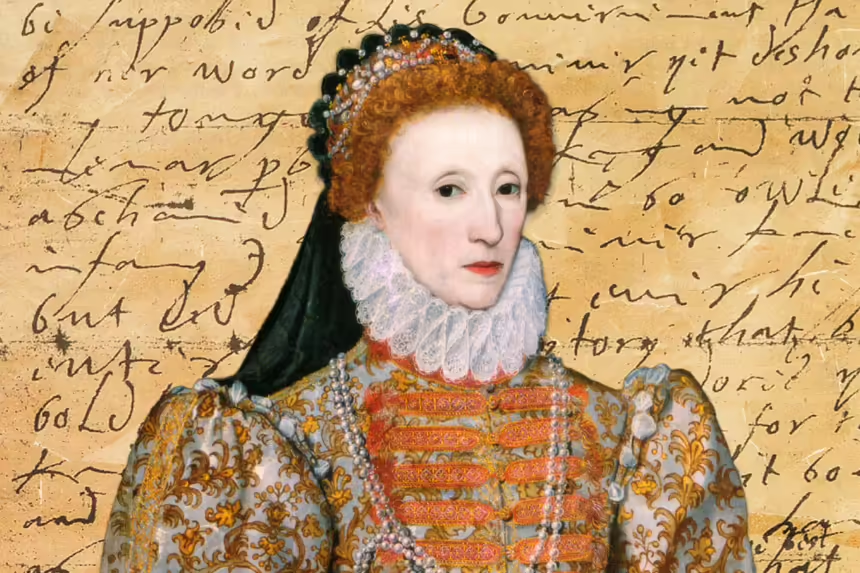
New historical research examining more than 500 letters reveals that Tudor queen Elizabeth I had her correspondence frequently revised by male secretaries who intensified the emotional tone of her messages. Historian Clodagh Murphy conducted the study as part of the Feathers project at Leiden University, analyzing manuscript drafts to understand how early modern administrative collaboration shaped royal communications and political strategy.
How did secretaries shape Elizabeth I letters?
Manuscript drafts show that principal secretary Francis Walsingham edited letters to figures like Mary, Queen of Scots, to heighten critical or conciliatory expressions. Walsingham's revisions often intensified rather than tempered the monarch's criticisms, indicating that advisers played a major creative role in drafting royal missives to advance English political interests.
What does this reveal about the Tudor queen temper?
The findings suggest that Elizabeth I strategically deployed emotion through collaboration with her secretariat to achieve political goals rather than simply displaying personal outbursts. This challenges traditional historical assumptions about female irrationality and highlights the monarch's sophisticated political savvy in working with her advisers.