


What do the new Denisovan fossils and tools reveal?
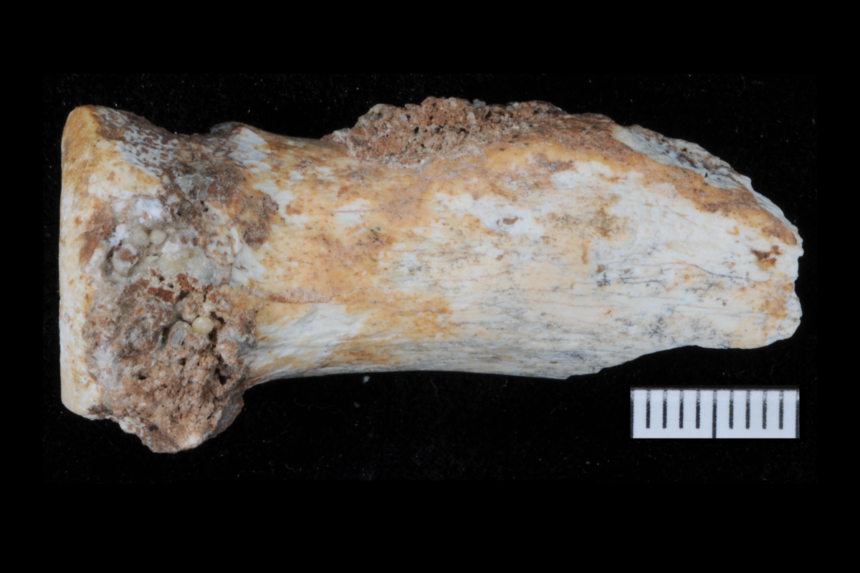
Researchers identified seven Denisovan fossils, including skull fragments, teeth, and a forearm bone, alongside 1,300 tools in Bianfu Cave, Yunnan Province. These remains, dating between 134,000 and 167,000 years ago, provide the first direct evidence of the species in southwestern China. The discovery helps clarify the evolutionary anatomy and hunting practices of these extinct human cousins, who occupied the site for tens of thousands of years.
The team analyzed over 60,000 bone fragments using protein-analysis techniques to isolate the remains. While DNA was not preserved due to the cave's climate, the physical evidence is significant. The recovered forearm bone, the first of its kind identified for the species, suggests functional advantages for precise manipulation. The tools found at the site indicate that these individuals likely utilized flexible, quickly constructed implements to hunt large prey, such as water buffalo and deer.
How did these ancient humans live?
Evidence from the site suggests that Denisovans were skilled hunters who adapted to their environment by crafting stone and bone tools. Analysis of the surrounding area indicates the cave was situated near a conifer forest. Cut marks on animal bones recovered from the site demonstrate that these early humans successfully hunted large game, marking a major step forward in understanding their daily survival strategies and landscape usage.