


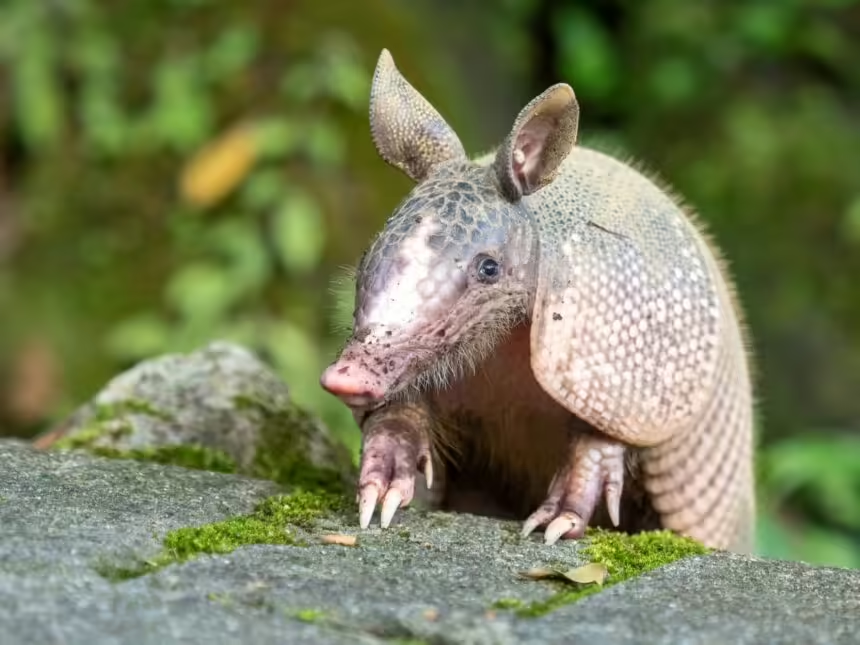
An armadillo found in Ohio earlier this month by a local resident marks the first verified natural entry of the species into the state, as scientists track a broader northward wildlife expansion driven by milder winters and climate change. While previous state sightings were dismissed as vehicle hitchhikers, researchers note this specimen follows decades of northward migration from Texas through the American South and Midwest.
Why are armadillos expanding north?
Researchers tracking the armored mammals indicate that climate change bringing milder winters, alongside shifts in land use and adaptable diets, has allowed armadillos to push far beyond their previously predicted geographic limits. Experts note that these animals can survive colder temperatures by sheltering in dens and consuming varied foods like roots, fruits, and insects.
What are the ecological impacts?
While armadillos can dig extensive burrows that inadvertently provide shelter for dozens of other species, their expanding presence can occasionally damage gardens and infrastructure. Although the animals can carry bacteria associated with leprosy, wildlife officials emphasize that the transmission risk to humans remains low if people simply avoid touching them.