

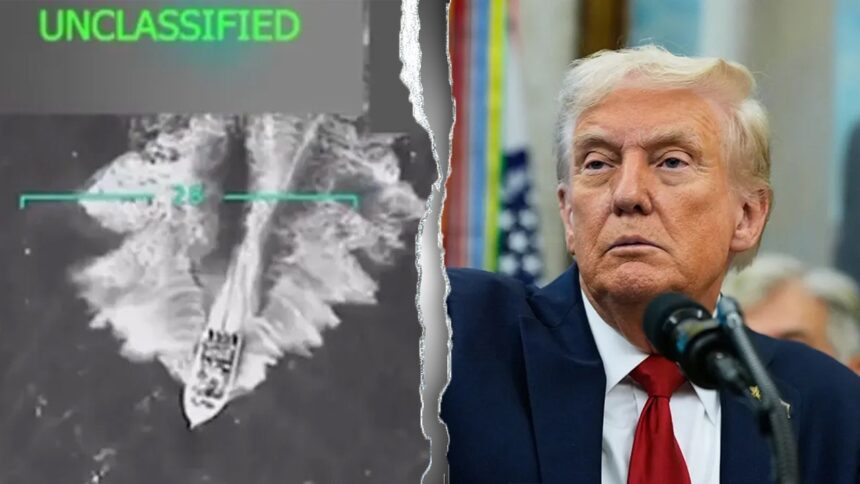
Recent US narco-terrorist strikes by the Trump administration have targeted alleged drug vessels from Venezuela in the Caribbean, aiming to disrupt criminal networks as part of an expanding counter-narcotics operation.
The White House informed lawmakers in a Sept. 30 memo that the U.S. is now engaged in a “non-international armed conflict” with drug smugglers. Four strikes have been conducted against alleged drug vessels in the Caribbean since September.
Impact on Cartel Operations
Experts believe the strikes will sow discord among Venezuelan drug cartels, disrupt logistics, and make finding crews more difficult. Brian Townsend, a retired DEA special agent, said the goal is to make criminals hesitate. “Every trafficker who boards one of these boats should wonder if this is a one-way ticket and this is his last trip,” Townsend stated.
The added pressure is designed to force cartels to adapt, which could lead to exploitable mistakes. “The more we force them to adapt, it’s going to provide the potential for more mistakes, more openings that we can exploit,” Townsend explained, adding that it “degrades their infrastructure.“
These counter-narcotics operations Caribbean may also intensify competition between rival criminal groups over resources, recruitment, and supply routes. “This continued pressure exposes weaknesses and opportunities for rival groups to exploit,” Townsend said. “Cartels operate in a brutal, competitive environment.“
Details of US Narco-Terrorist Strikes
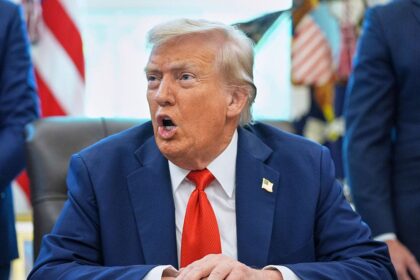
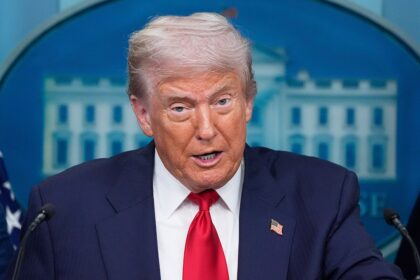
The strikes follow the Trump administration’s decision in February to designate certain drug cartels, including Tren de Aragua and the Sinaloa Cartel, as foreign terrorist organizations. At a Sept. 30 address to military leaders, President Donald Trump said the military is “now the knife’s edge in combating this sinister enemy.“
President Trump has indicated the strikes will continue as part of the new policy. “We have to put the traffickers and cartels on notice,” he said. “If you try to poison our people, we will blow you out of existence, because that’s the only language they really understand.“
Shifting Routes and Criminal Alliances
The narco-terrorist designation impact may cause other criminal organizations to avoid partners targeted by the U.S. military. Nathan Jones, a scholar at Rice University’s Baker Institute, said there could be a “chilling effect from other cartels doing business with Tren de Aragua or Cartel de Los Soles in the Caribbean.“
However, the strikes are unlikely to affect the flow of fentanyl into the United States. Fentanyl precursors originate in China and are produced in Mexican labs before being trafficked north, a route that does not typically involve the Caribbean. “I wouldn’t expect your drug flow to be affected because of these strikes,” Jones noted.
Congressional Challenge to Military Action
Some members of Congress have questioned the legality of the military action. In September, Senators Adam Schiff and Tim Kaine filed a war powers resolution drug smugglers from engaging in these hostilities without congressional approval. “There has been no authorization to use force by Congress in this way,” Schiff said.
Schiff argued the action was unconstitutional, stating the administration cannot “usurp Congress’s power of declaring war” simply by placing organizations on a list. The measure ultimately failed in the Senate by a 48-51 margin.