


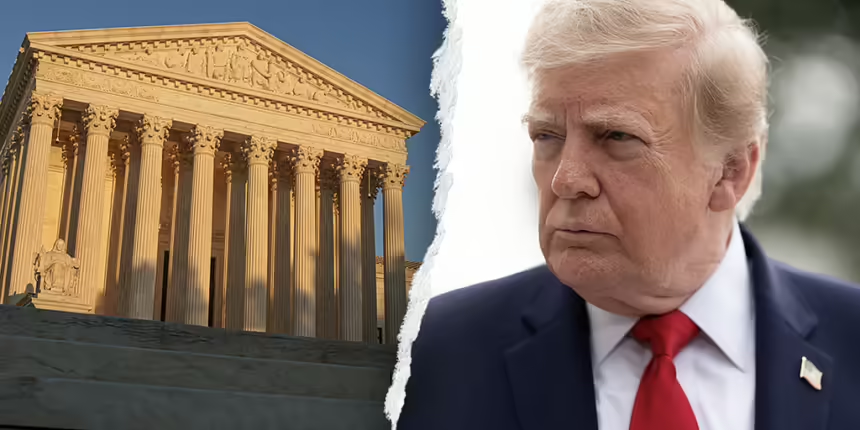
The U.S. Supreme Court agreed on Tuesday to hear a legal challenge to the Trump administration's third-country deportation policy during its December 2026 session. The high court granted the administration's request to stay a lower federal district court ruling from Massachusetts that had imposed additional procedural requirements on third-country removals. The decision matters because it allows federal officials to continue deporting individuals to nations other than their home countries while the broader legal battle proceeds through the judicial system.
What does the Supreme Court stay mean for the third-country deportation policy?
The Supreme Court stay puts a February district court judgment on hold, allowing the Trump administration to continue third-country deportations without the lower court's added procedural requirements while the case is pending. The administration argued that the earlier rules interfered with its enforcement ability and disrupted sensitive foreign policy negotiations with nations willing to accept deportees.
Three liberal justices—Sonia Sotomayor, Elena Kagan, and Ketanji Brown Jackson—stated they would have denied the request for a stay. Attorneys challenging the policy countered that the lower court ruling only required the government to provide notice and an opportunity for individuals to raise protection claims before being sent abroad. The high court has ordered a briefing schedule leading up to oral arguments in December.