


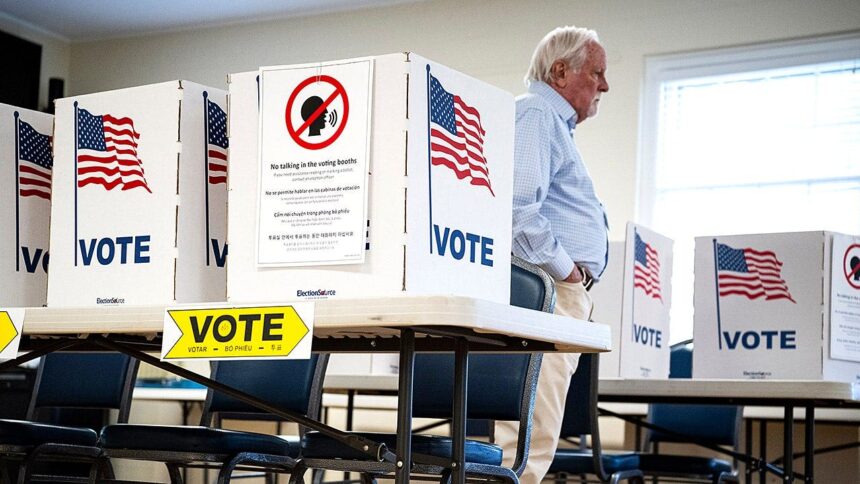
Both major US political parties are accusing one another of deploying cynical tactics to influence the 2026 midterm elections. From primary meddling and dark money spending to exploiting filing deadlines, these aggressive maneuvers are being used to shape the field ahead of Election Day, raising concerns about the potential for further eroding public trust in the electoral process.
Are election schemes confusing voters in key races?
Yes, political operatives are using various strategies to gain an advantage. In Alaska, the presence of two individuals named Dan Sullivan running for Senate has led to allegations of a Democratic-led plot to disorient voters. Meanwhile, in Texas, the National Republican Senatorial Committee allegedly encouraged Rep. Jasmine Crockett to enter the Democratic primary to weaken the field, a move critics describe as an attempt to manipulate the outcome.
How are parties using dark money to influence outcomes?
Beyond primary interference, both parties are utilizing complex financial networks to sway voters. A coalition of Democratic donors and left-leaning super PACs has reportedly funneled over $10 million into supporting independent candidates in Republican-leaning districts. These strategies, which often involve deceptively named political committees, are designed to bypass traditional party branding and secure legislative seats in competitive areas, further intensifying the battle for control of Congress.