


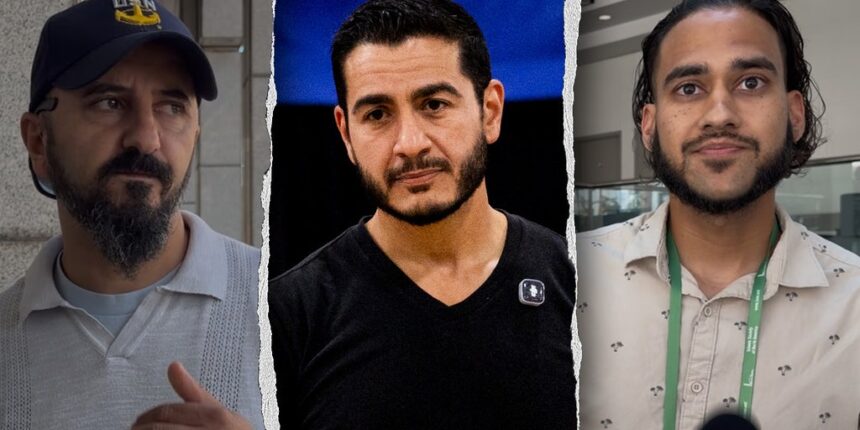
Why are some voters backing a candidate they disagree with?
Some Muslim voters at the Islamic Society of North America conference in Detroit expressed significant opposition to Abdul El-Sayed’s liberal stances on abortion and LGBTQ rights. Despite these ideological clashes, many attendees indicated they still plan to support the Democratic Senate nominee, citing a desire for community representation and dissatisfaction with the Republican Party's handling of foreign policy and economic concerns.
Abdul El-Sayed, the Democratic nominee for U.S. Senate in Michigan, is navigating a complex political landscape as he seeks to build a broad coalition. While he advocates for codifying abortion rights and funding Planned Parenthood, some voters at the recent conference noted that these positions conflict with traditional Islamic values regarding gender and family.
What issues are driving this political shift?
For many voters, the decision to support El-Sayed is driven by frustration with the Republican Party's record on foreign wars and the cost of living. While some attendees identified as conservative on social issues, they argued that the current political climate and specific policy outcomes under the previous administration have led them to prioritize economic and foreign policy concerns over social platform alignment in the upcoming election.
The tension highlights a broader debate within the community regarding political priorities. While some voters expressed concern that El-Sayed’s social views might alienate others if they were more widely known, supporters argued that voters are increasingly looking at the broader impact of a candidate's policies on education and healthcare. The campaign has not yet provided a comment on these voter sentiments.