


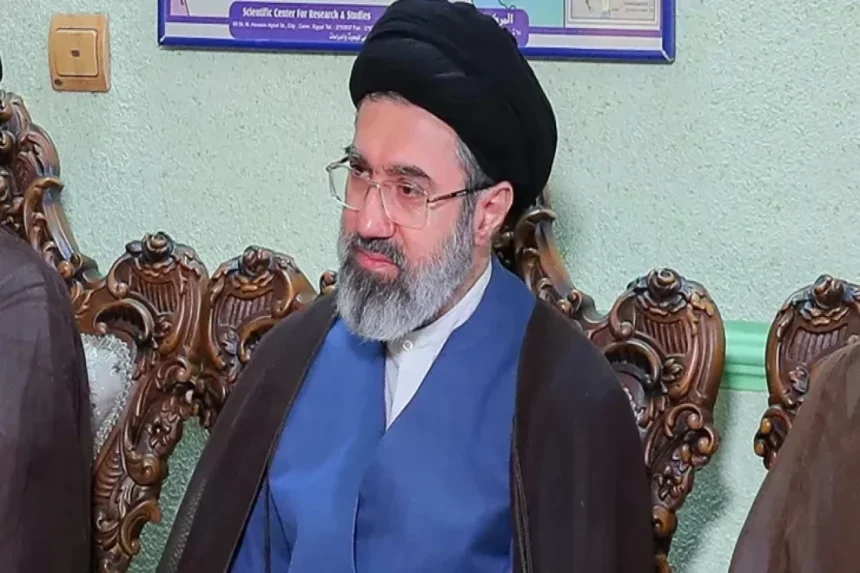
Iranian President Masoud Pezeshkian has successfully persuaded Supreme Leader Ayatollah Sayyid Mojtaba Khamenei to authorize formal negotiations with the United States. This diplomatic shift, aimed at averting a potential economic collapse caused by a U.S. naval blockade, follows the signing of the Islamabad Memorandum on June 17. The decision marks a critical turning point in bilateral relations as Tehran seeks to address severe domestic economic pressures.
Why did Iran agree to new talks?
President Pezeshkian warned that the country faces imminent economic collapse due to the U.S. naval blockade, threatening to resign if negotiations were not pursued. Central Bank officials highlighted that Iran could face critical shortages of food and medicine within weeks. While the Supreme Leader remains fundamentally opposed to a final agreement with the United States, he has authorized these talks provided they receive approval from the Supreme National Security Council.
Status of the diplomatic process
Following the signing of the Islamabad Memorandum on June 17, both nations have engaged in preliminary discussions. The Supreme Leader’s consent allows for continued diplomatic engagement, though the path to a comprehensive resolution remains uncertain. Both parties have committed to ongoing negotiations to determine if a final agreement can be reached, with the entire process remaining subject to strict oversight by Iran's Supreme National Security Council to ensure national interests are protected.