


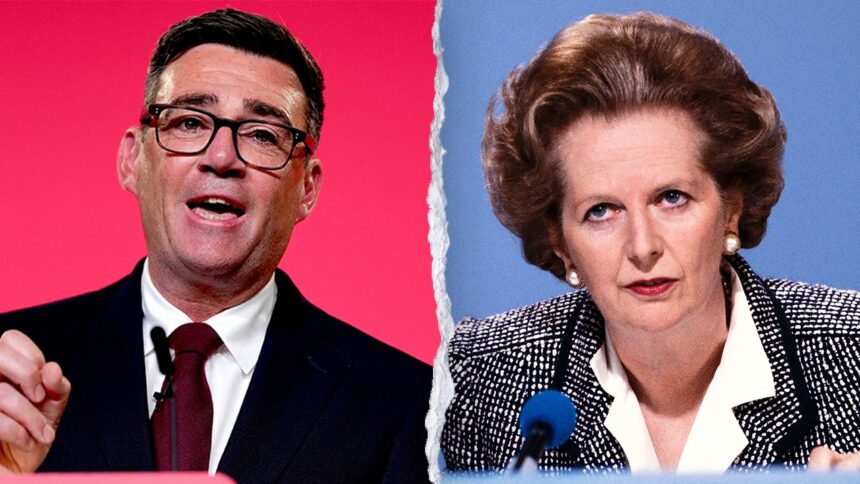
Britain’s incoming Prime Minister Andy Burnham is set to take office this Monday after being elected as the new leader of the Labour Party. In his first speech following the election, Burnham signaled a major shift to the left, explicitly rejecting the economic model established during the 1980s and promising to increase public control over essential national services.
What are Burnham's economic plans?
Burnham intends to move the Labour Party away from the economic positioning of his predecessor, Keir Starmer, by advocating for greater state ownership. He specifically criticized the privatization of utilities, arguing that the country surrendered control of housing, water, energy, and transport. His administration plans to lay out a new path for the country starting next week, focusing on reversing policies that he claims left citizens exposed to higher costs.
How have critics responded to the shift?
Critics have questioned the substance of Burnham's proposed changes, with some analysts noting a lack of detail regarding implementation. Meanwhile, free-market advocates have defended the economic legacy of the 1980s, citing improvements in inflation, tax rates, and homeownership during that period. These observers argue that Burnham’s rhetoric reflects a misunderstanding of economic incentives and warn that his approach could signal a return to outdated forms of statism.