


The Centers for Disease Control and Prevention issued a CDC rabies warning regarding a notable increase in rabies post-exposure treatments over the summer across several states. Because rabies is nearly 100 percent fatal once symptoms develop, health officials emphasize that recognizing high-risk animal encounters and seeking prompt medical care is critical for preventing severe illness.
When does a bat encounter require medical care?
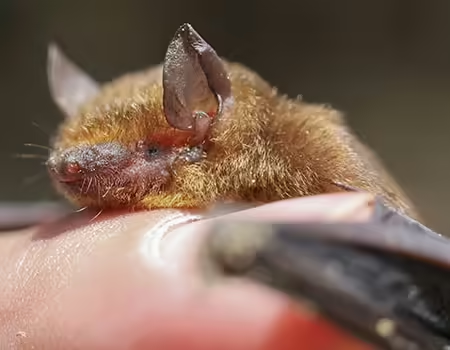
Seeing a bat fly overhead outdoors is not an exposure, but touching a bat, handling an injured animal, or waking up to find a bat in your bedroom requires contacting a healthcare provider immediately. Because bat teeth are extremely tiny, individuals may not realize they sustained a bite while sleeping.
Rabies is a viral disease that spreads primarily through bites, scratches, or contact with oral secretions from infected animals, most frequently bats. Around 100,000 people across the United States receive preventative treatment each year. Experts explain that post-exposure prophylaxis, which involves wound cleaning, rabies immune globulin, and a modernized series of shots, is highly effective at stopping the virus before it reaches the brain.
What are the warning signs of rabies?
Initial symptoms take weeks or months to develop and start with non-specific signs like fever, eventually progressing to confusion, encephalitis, seizures, and coma. Because the virus is almost entirely fatal after symptoms appear, patients must seek medical evaluation immediately after a suspected exposure rather than waiting.
Medical professionals advise washing any potential scratch or bite thoroughly with soap and water before consulting a primary care physician. Modern vaccines feature fewer doses and milder side effects than older treatments, ensuring that preventative care is much easier to tolerate for patients who need timely intervention.