


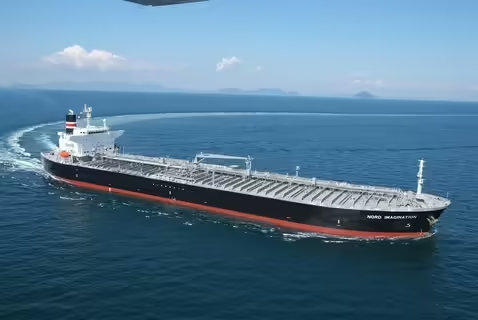
According to the International Energy Agency’s (IEA) monthly report, supertanker shipping rates have surged to record highs, placing severe financial pressure on Asian oil refineries reliant on Middle Eastern crude. The spike in crude transport costs has driven refining margins at several regional facilities into negative territory.
Strait of Hormuz Risks and Rising Logistics Expenses
The IEA report indicates that escalating military risks and security threats in the Strait of Hormuz have complicated maritime routes and logistics operations. Additional procedures, such as transshipping cargo onto smaller tankers, have further inflated transportation costs, hitting Asian refiners that depend heavily on Middle East supplies particularly hard.
Freight rates for Very Large Crude Carriers (VLCCs) shipping crude from the Persian Gulf to Asia reached approximately $36 per barrel in early October. This represents a more than fivefold increase compared to levels recorded prior to the conflict involving Iran.
Costly Alternatives and Refining Margin Squeeze
While Asian buyers have attempted to substitute part of their Middle Eastern supplies with American crude, alternative supply lines offer little financial relief. The cost of transporting crude from the U.S. Gulf Coast to China has climbed past $37 per barrel.
The sharp increase in crude delivery costs adversely affected Asian facilities processing medium-sour crude in September, pulling refining profitability at certain plants into negative numbers.
Risks to Global Fuel Supplies
Elevated logistics expenditures and shrinking margins may force refiners to reduce throughput or begin unscheduled maintenance shutdowns.
Such cutbacks heighten the risk of tightening supply across refined product markets. Potential shortages in diesel and jet fuel deliveries could exacerbate price pressures worldwide. Ultimately, higher maritime freight rates not only drive up costs for crude importers, but also weigh on refinery profitability and global refined product availability.