
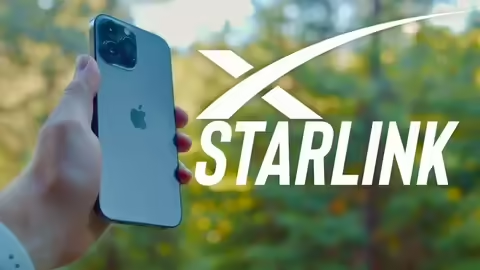
According to Bank of America (BofA) analysts, SpaceX’s entry into the wireless market via Starlink Mobile could disrupt carrier business models and create headwinds for Apple’s iPhone sales. The research team, led by Vamsi Mohan, suggests that satellite-direct connectivity could erode the substantial carrier promotions that traditionally drive high-end iPhone adoption.
SpaceX Expands Spectrum and Satellite Infrastructure
SpaceX is aggressively expanding its spectrum portfolio and orbital infrastructure to establish a formidable wireless presence. The company has reportedly reached an agreement with investment firm Grain Management to acquire an 800 MHz nationwide spectrum portfolio. This acquisition complements an earlier spectrum transaction with EchoStar valued at approximately $17 billion.
Regulatory filings also show that SpaceX has secured approval for a constellation of 15,000 satellites. By integrating satellite and terrestrial infrastructure, the company aims to deliver standalone mobile connectivity directly to consumers.
Carrier Subsidies and Projected Revenue Risks for Apple
A central focus of BofA’s analysis is the pivotal role US wireless carriers play in iPhone distribution. Major carriers AT&T, Verizon, and T-Mobile collectively sell an estimated 53 million iPhones each year, offering average promotional credits and trade-in incentives of roughly $800 per device.
These aggressive carrier incentives make premium iPhones accessible and encourage users to upgrade on shorter cycles. Should Starlink Mobile emerge as a compelling low-cost alternative, it could weaken traditional carrier bundles and alter retail dynamics.
Under a scenario modeled by BofA, if Starlink Mobile captures 10% of subscribers from incumbent US carriers, Apple could lose approximately 5 million iPhone unit sales, translating to a revenue decline of $6 billion. The analysts emphasize that this estimate represents a hypothetical scenario rather than realized losses.
Additional risks include downward pressure on Apple’s pricing power. Diminishing carrier subsidies could make consumers more price-sensitive regarding high-end smartphones. Over the longer term, potential competition from a dedicated SpaceX smartphone or an integrated ecosystem spanning Tesla, SpaceX, and Grok AI could create further competitive friction.
Compensating Factors and Growth Opportunities for Apple
Despite these risks, the BofA report outlines several mitigating factors that could protect Apple. In the near term, incumbent telecom carriers might respond to Starlink Mobile by enhancing loyalty discounts and upgrade promotions to retain their subscriber base, which would support iPhone volume.
Furthermore, Starlink Mobile is designed to work with existing standard smartphones. This backward compatibility means users switching network providers would not need to replace their current iPhones.
Apple also retains significant flexibility through its direct-to-consumer retail network and proprietary financing initiatives. In addition, reduced consumer spending on cellular connectivity could leave households with more disposable income to invest in premium hardware, accessories, and digital services.
Ultimately, Starlink Mobile’s entrance into the wireless market presents both competitive challenges and potential tailwinds for Apple. The outcome will depend on Starlink’s commercial rollout, subscriber uptake, and how aggressively legacy telecom providers defend their market share.