
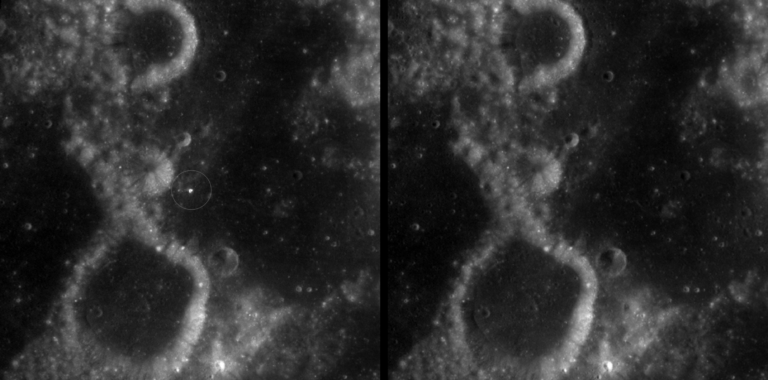
NASA Spots New Once-in-a-Century Moon Crater
NASA's Lunar Reconnaissance Orbiter has discovered a massive new crater on the Moon, marking a rare impact event.
85–96 of 112 stories
NASA's Lunar Reconnaissance Orbiter has discovered a massive new crater on the Moon, marking a rare impact event.
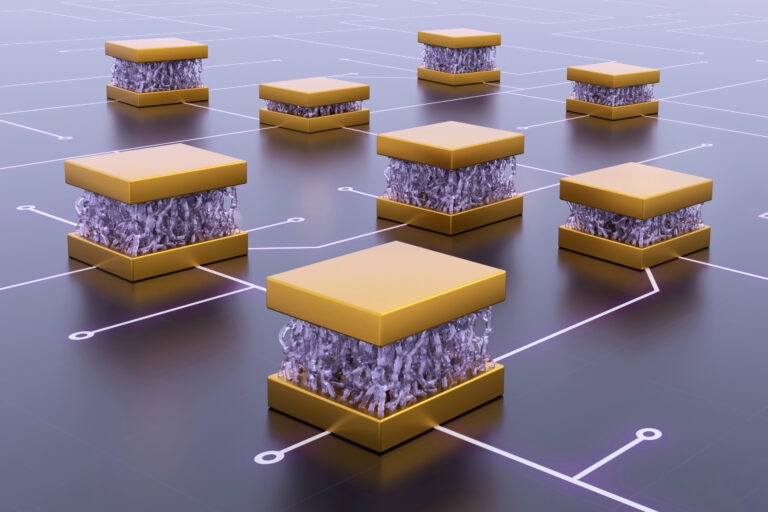
MIT scientists have developed a new computing platform using soft polymers that mimics neuronal behavior to enable energy-efficient, integrated electronics.
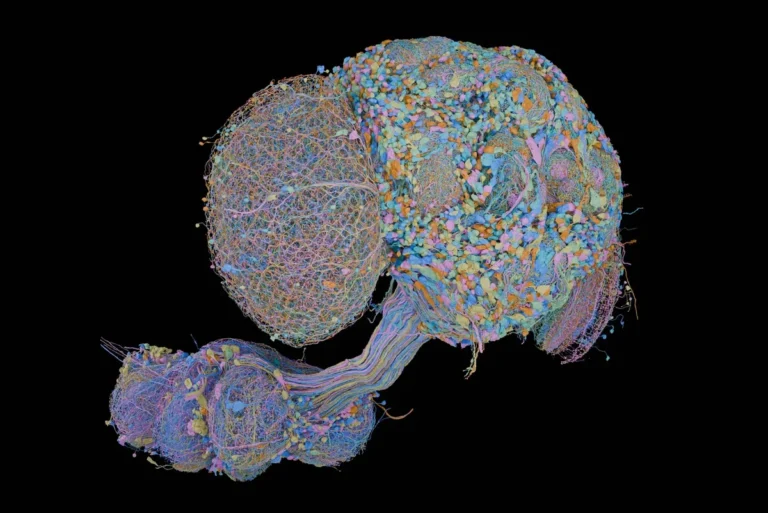
Researchers have completed a detailed map of the adult male fruit fly's central nervous system, identifying 166,700 nerve cells and 300 million synapses.
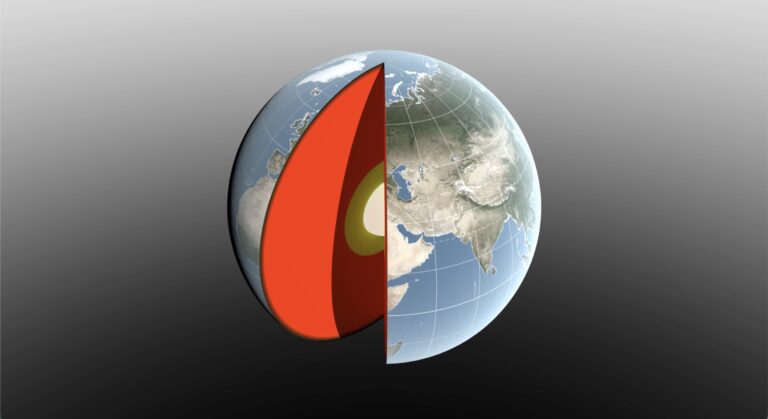
NASA scientists have developed a new, highly precise technique to track the seasonal shifting of Earth's center of mass caused by water, ice, and air…
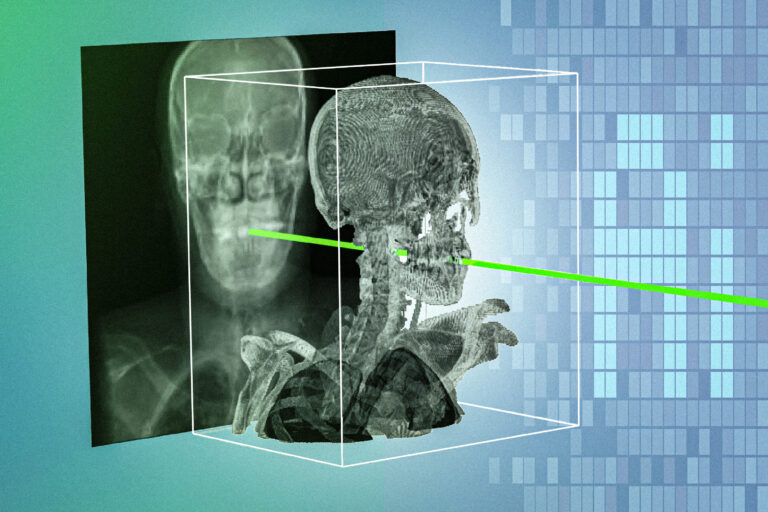
MIT researchers developed an AI system called xvr that aligns 2D X-rays with 3D scans in minutes, enhancing safety for minimally invasive surgeries.
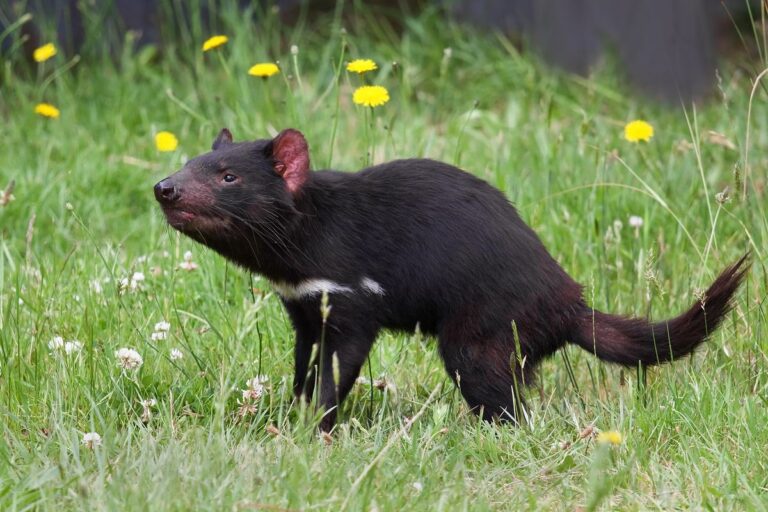
New archaeological findings in Australia's Pilbara region reveal that Tasmanian devils lived near humans and scavenged their food thousands of years ago.
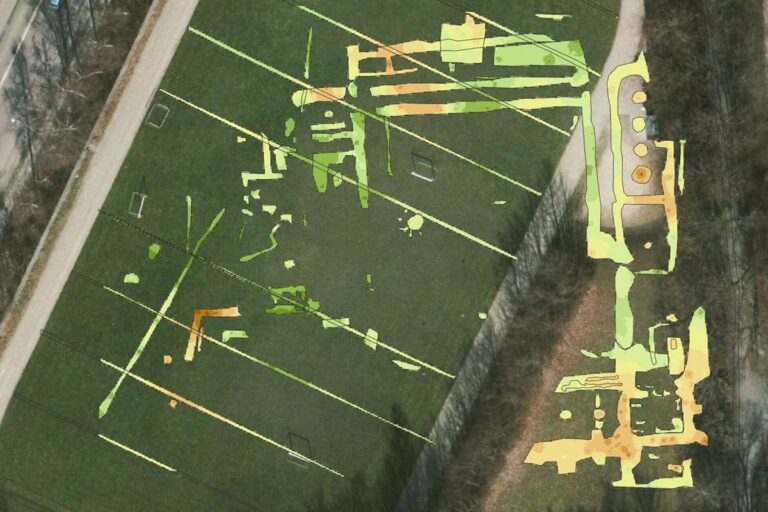
Archaeologists discovered the 13th-century St. Clare’s Convent buried three feet beneath a soccer field in Roskilde, Denmark, using ground-penetrating radar.
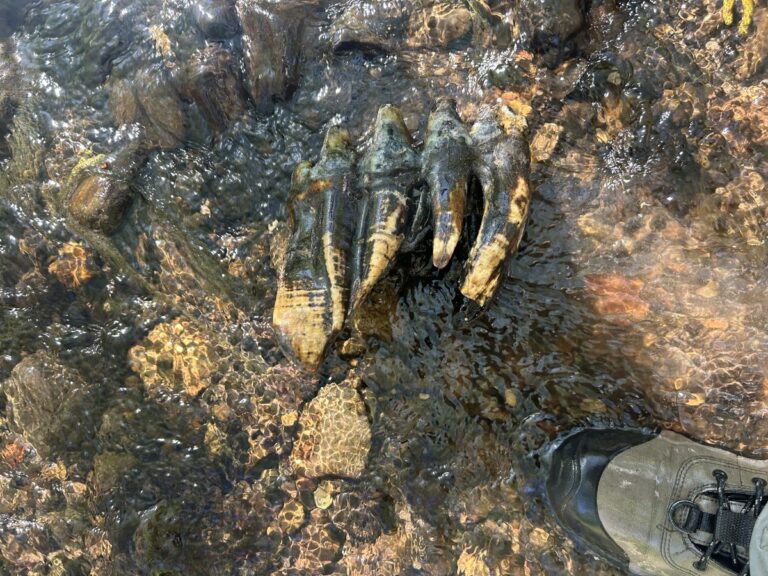
A geomorphologist discovered an exceptionally well-preserved Pacific mastodon tooth in a San Mateo County creek, providing new insights into Ice Age history.
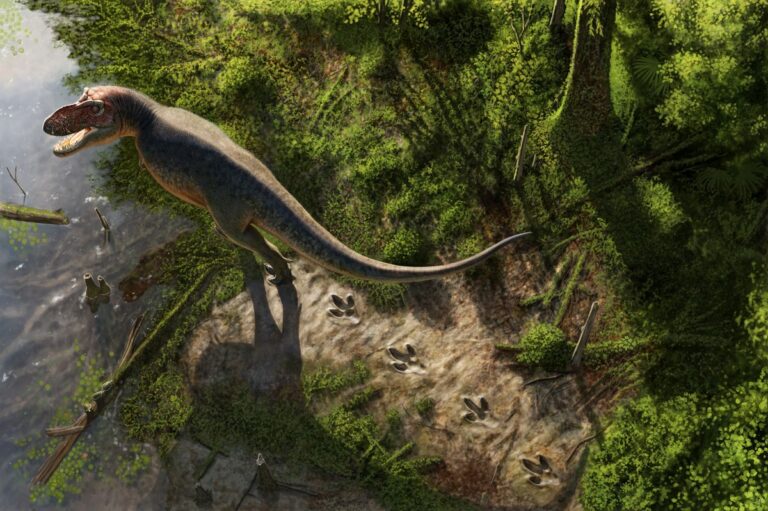
Paleontologists have discovered the first known trackway of an adult Tyrannosaurus rex in North Dakota, offering rare insights into the predator's movement.
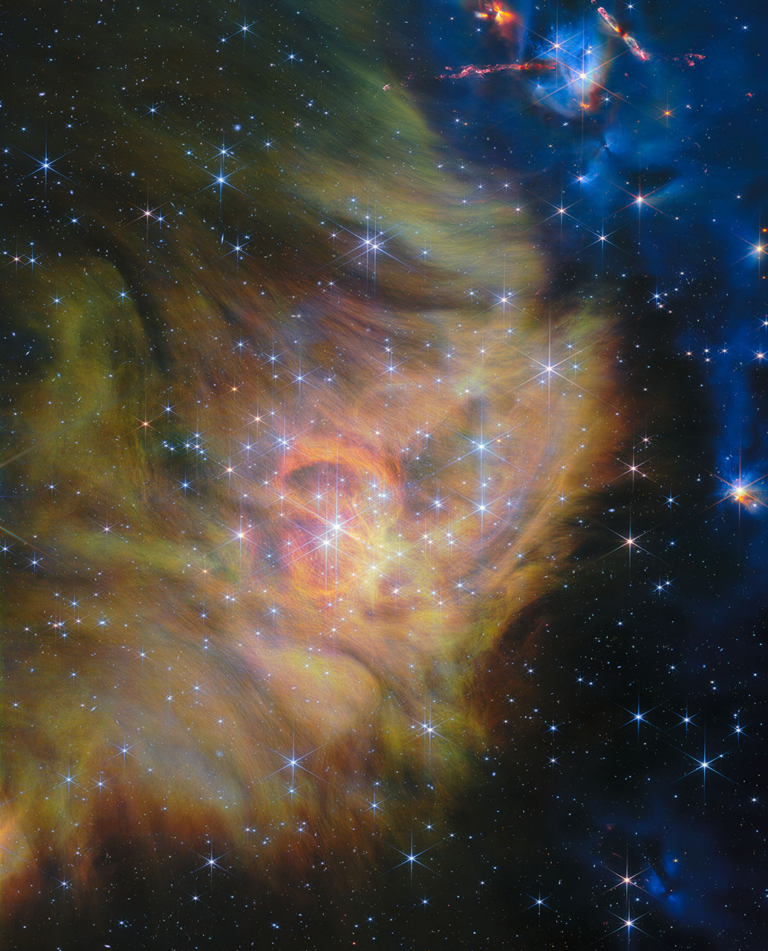
NASA's James Webb Space Telescope has discovered record-breaking, low-mass brown dwarfs in the IC 348 star-forming region, challenging current formation models.
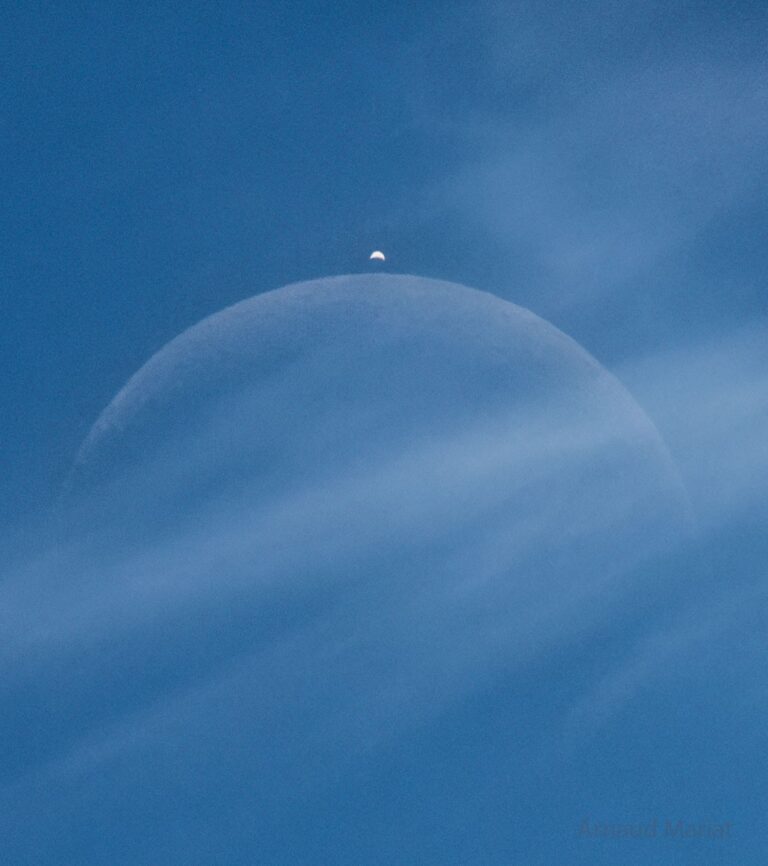
On September 14, 2026, a rare daytime lunar occultation of Venus was captured in a photograph near Cessy, France, revealing both celestial bodies.
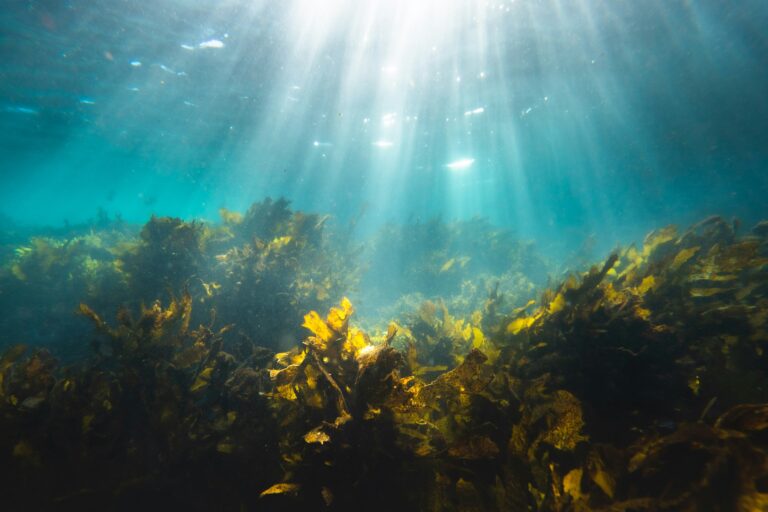
Researchers have discovered that marine bacteria use a division of labor to break down fucoidan, a complex molecule that helps store carbon in the ocean.