
MIT Researcher Develops Mars Return Journey Fuel Tech
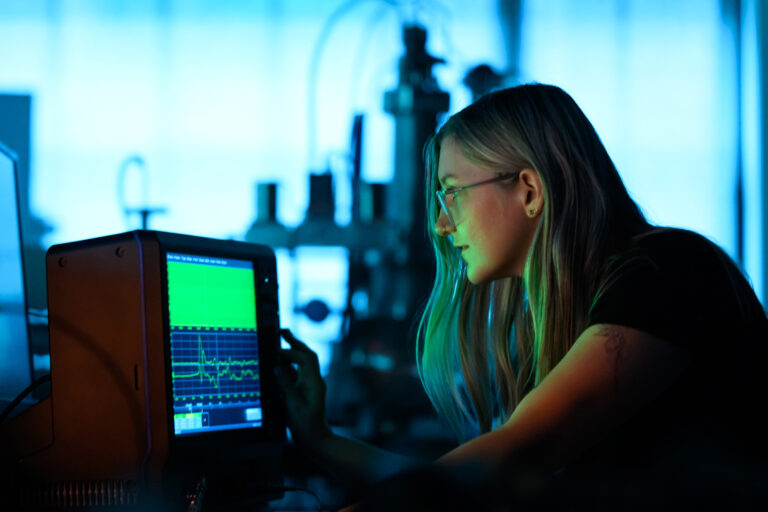
MIT PhD candidate Lanie McKinney is pioneering plasma-based technology to create oxygen and propellant on Mars, enabling future human return missions.
37–48 of 68 stories
MIT PhD candidate Lanie McKinney is pioneering plasma-based technology to create oxygen and propellant on Mars, enabling future human return missions.
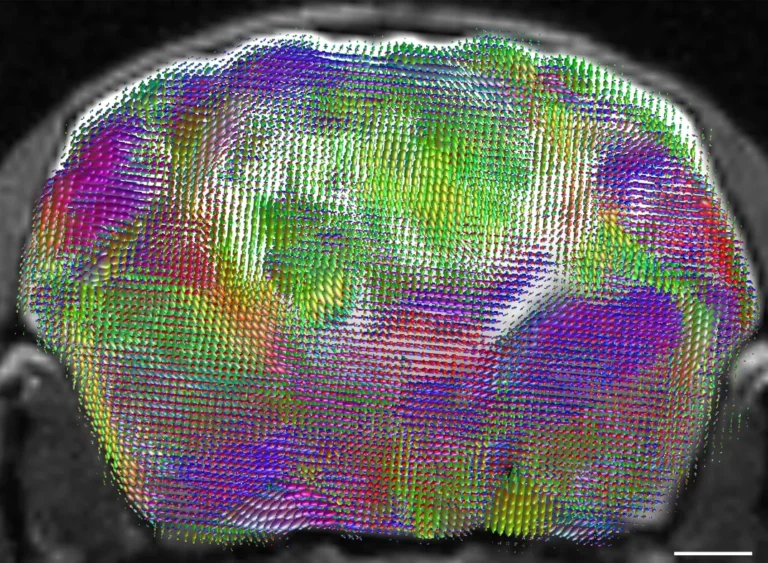
Stanford University researchers have developed xenocortical mice with human-derived neurons to advance the study of complex neurological disorders.
A new digital map of the Roman Empire road network reveals that many routes bypassed Rome and were shaped by the natural landscape.
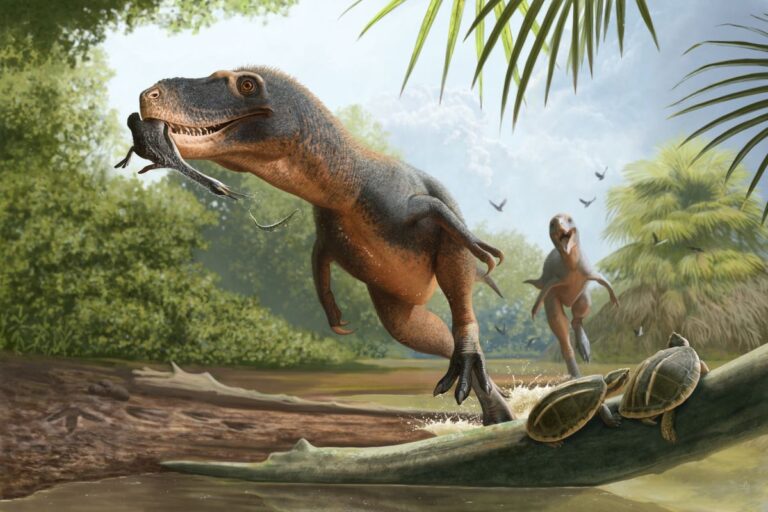
A 66-million-year-old feather found in dinosaur poop offers new clues about why some ancient birds perished while others survived the mass extinction.
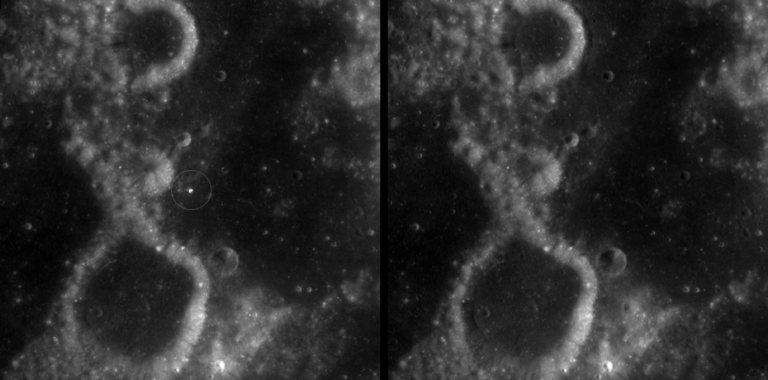
NASA's Lunar Reconnaissance Orbiter has discovered a massive new crater on the Moon, marking a rare impact event.
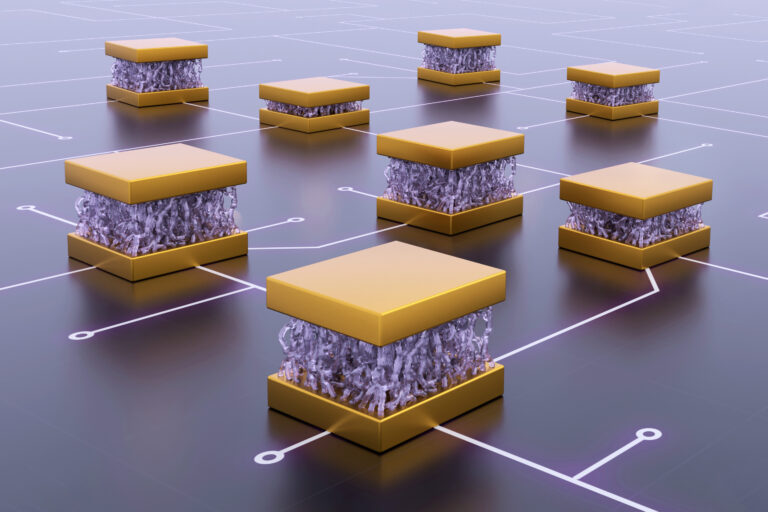
MIT scientists have developed a new computing platform using soft polymers that mimics neuronal behavior to enable energy-efficient, integrated electronics.
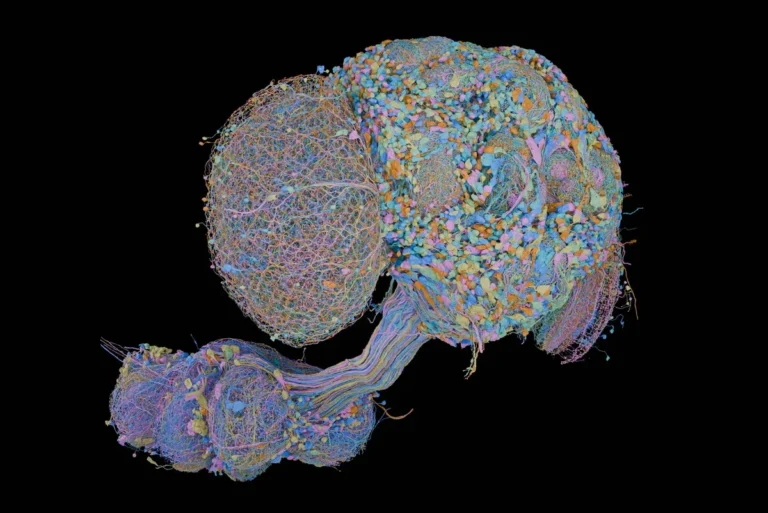
Researchers have completed a detailed map of the adult male fruit fly's central nervous system, identifying 166,700 nerve cells and 300 million synapses.
NASA scientists have developed a new, highly precise technique to track the seasonal shifting of Earth's center of mass caused by water, ice, and air…
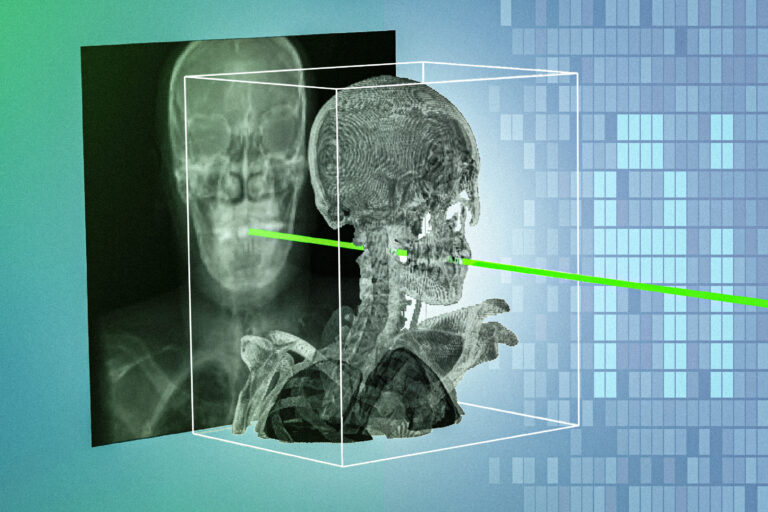
MIT researchers developed an AI system called xvr that aligns 2D X-rays with 3D scans in minutes, enhancing safety for minimally invasive surgeries.
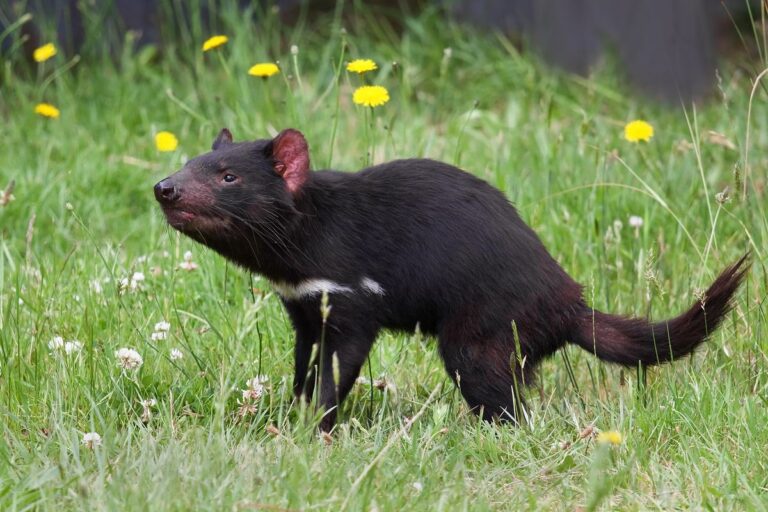
New archaeological findings in Australia's Pilbara region reveal that Tasmanian devils lived near humans and scavenged their food thousands of years ago.
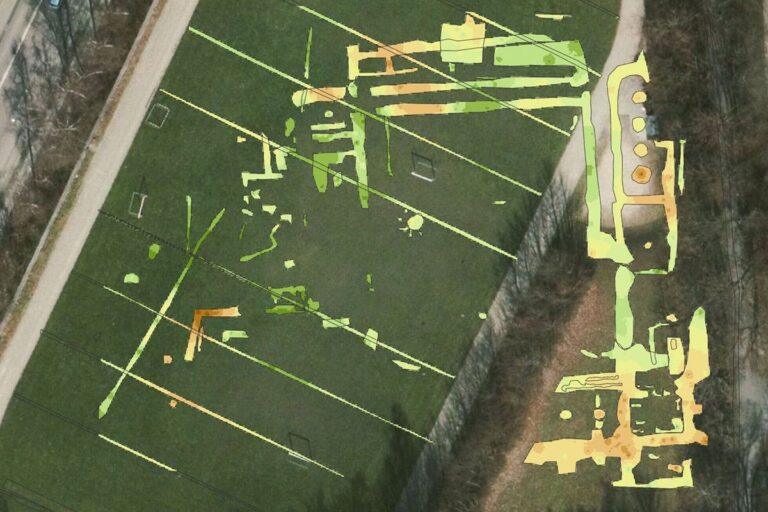
Archaeologists discovered the 13th-century St. Clare’s Convent buried three feet beneath a soccer field in Roskilde, Denmark, using ground-penetrating radar.
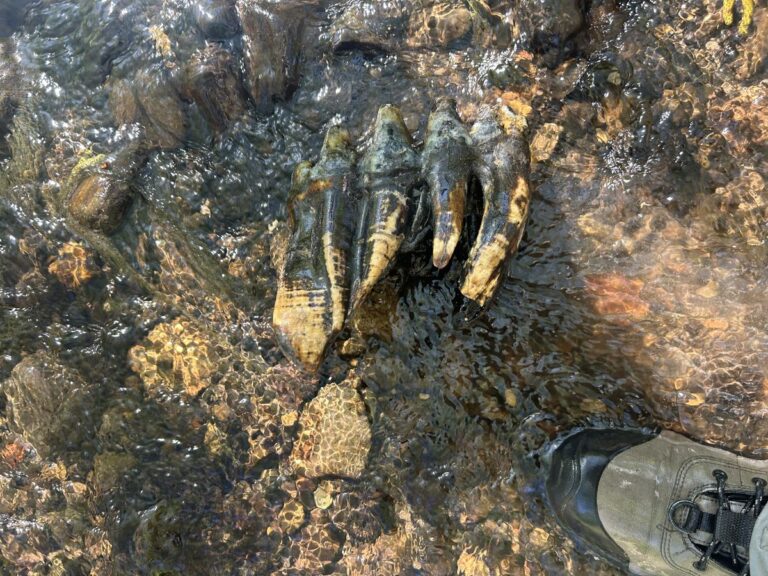
A geomorphologist discovered an exceptionally well-preserved Pacific mastodon tooth in a San Mateo County creek, providing new insights into Ice Age history.