


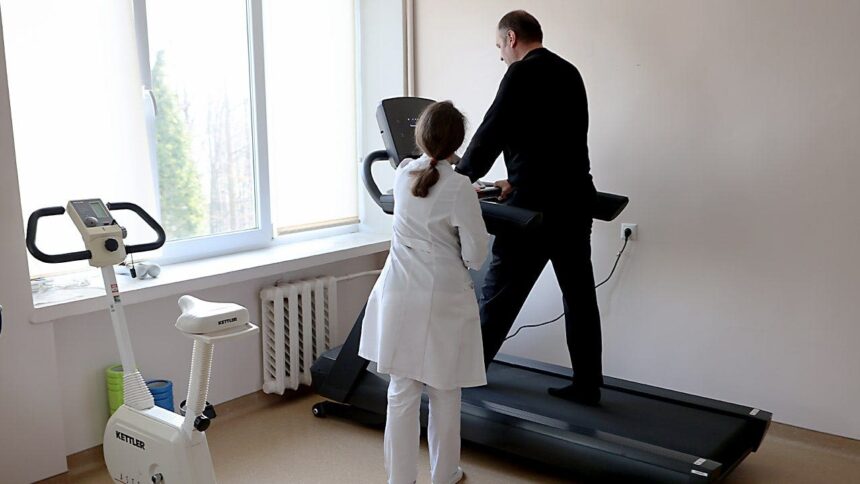
Researchers have developed a lightweight soft exosuit that uses artificial muscles to assist hip movement, significantly reducing the energy required for walking. In recent treadmill tests, the 4.2-pound device helped six adults cut their walking energy consumption by nearly 14%. This innovation offers a potential future solution for older adults and individuals recovering from injuries who need mobility support without the bulk of traditional robotic frames.
How does the soft exosuit work?
The soft exosuit utilizes dielectric elastomer artificial muscles instead of heavy, rigid motors to assist hip movement. These flexible, rubber-like fibers are arranged in bundles that mimic human muscle, pulling at the right point in a stride to help move the leg forward. Straps transfer this pulling force to the wearer's hips and thighs, allowing the device to move naturally with the body rather than enclosing the legs in a rigid frame.
What are the benefits for mobility?
By reducing the physical effort required to walk, this wearable technology could help older adults and those recovering from injuries stay active longer. The lightweight design makes it less intimidating and more comfortable for daily use compared to traditional robotic exoskeletons. While current prototypes are limited by battery life and require further testing for real-world stability, the technology represents a significant step toward accessible, non-bulky mobility assistance for people with varying physical needs.