
Tyrannosaurus rex Was Warm-Blooded, New Study Finds
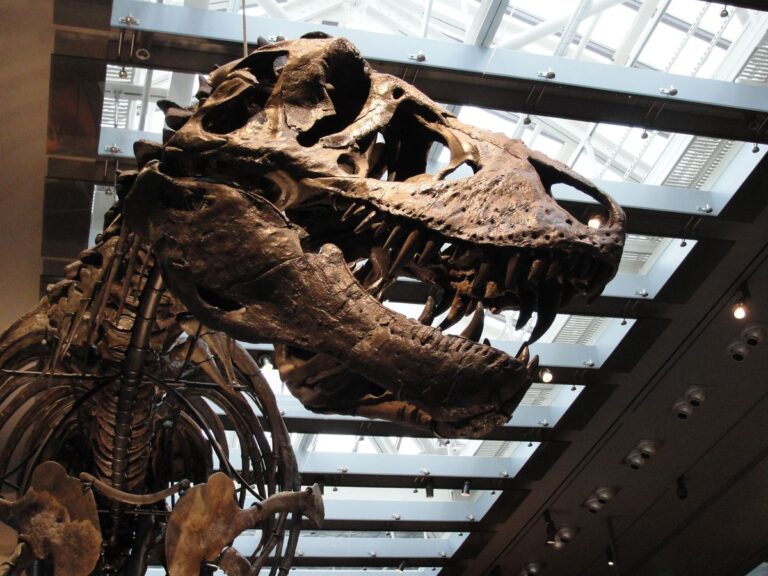
New research confirms the Tyrannosaurus rex was warm-blooded, maintaining a body temperature of 97 degrees Fahrenheit, similar to modern humans.

61–72 of 95 stories
New research confirms the Tyrannosaurus rex was warm-blooded, maintaining a body temperature of 97 degrees Fahrenheit, similar to modern humans.
Researchers have identified 3,700-year-old sheep pox virus DNA in medieval manuscripts and ancient animal remains, revealing the pathogen's long history.
Researchers have documented the first observed humpback whale stillbirth, providing a rare look at how these social marine mammals respond to the death of a…
MIT PhD candidate Lanie McKinney is pioneering plasma-based technology to create oxygen and propellant on Mars, enabling future human return missions.
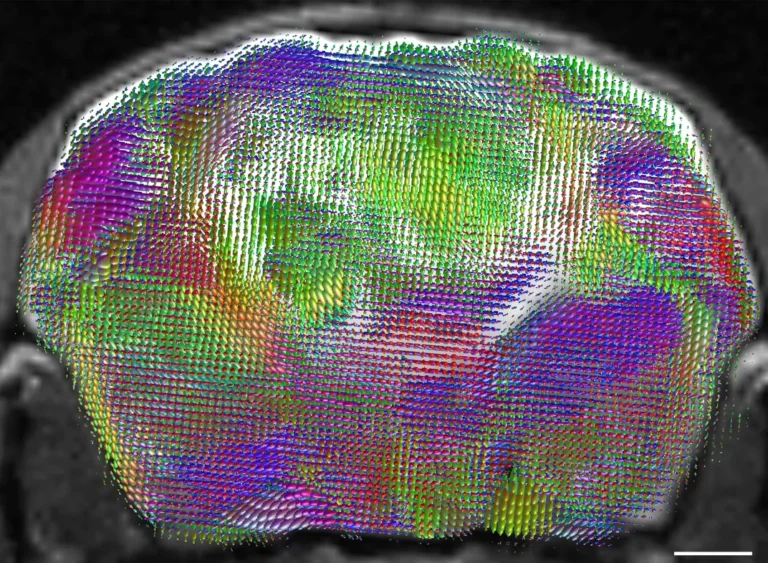
Stanford University researchers have developed xenocortical mice with human-derived neurons to advance the study of complex neurological disorders.
A new digital map of the Roman Empire road network reveals that many routes bypassed Rome and were shaped by the natural landscape.
A 66-million-year-old feather found in dinosaur poop offers new clues about why some ancient birds perished while others survived the mass extinction.
NASA's Lunar Reconnaissance Orbiter has discovered a massive new crater on the Moon, marking a rare impact event.
MIT scientists have developed a new computing platform using soft polymers that mimics neuronal behavior to enable energy-efficient, integrated electronics.
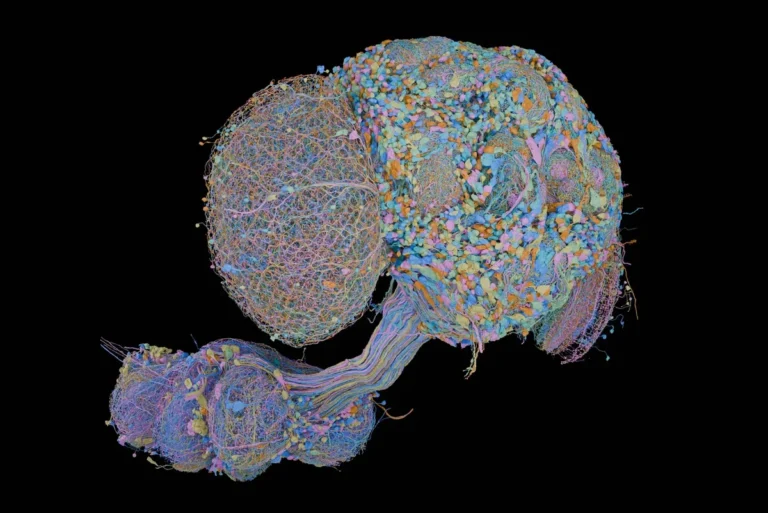
Researchers have completed a detailed map of the adult male fruit fly's central nervous system, identifying 166,700 nerve cells and 300 million synapses.
NASA scientists have developed a new, highly precise technique to track the seasonal shifting of Earth's center of mass caused by water, ice, and air…
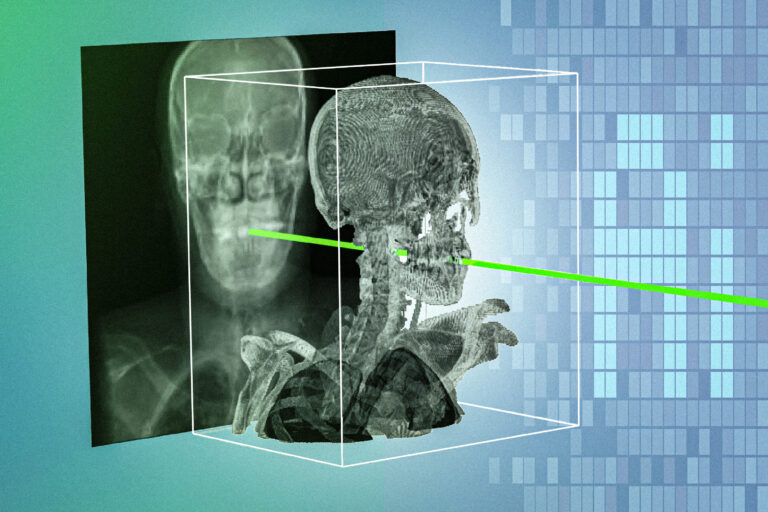
MIT researchers developed an AI system called xvr that aligns 2D X-rays with 3D scans in minutes, enhancing safety for minimally invasive surgeries.